An 11th-century tapestry that depicts the Norman Conquest of England has captivated many researchers and historians who laid their eyes on it. However, one faction in World War II seemed to have an unhealthy obsession with it. The Nazis thought of reclaiming a symbol of their heritage, but it only ended in theft.
The Tapestry
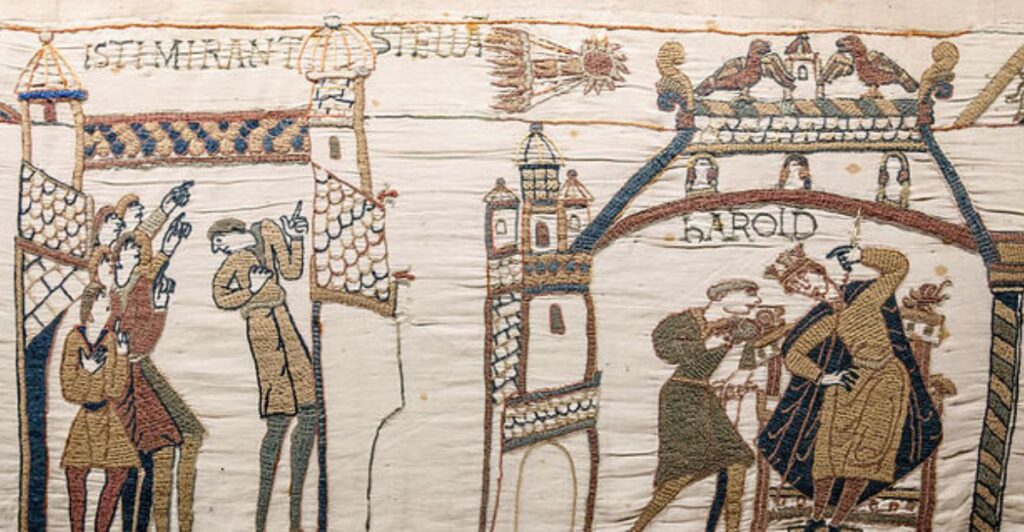
The Bayeux Tapestry was made in the 1070s, nearly one thousand years ago. It was most likely commissioned by William the Conqueror’s half-brother, Bishop Odo of Bayeux, and embroidered in England. The Tapestry depicts events that led up to the Battle of Hastings in 1066. The artifact blends history and art, making it an exceptional wonder of the world.
A Fascination
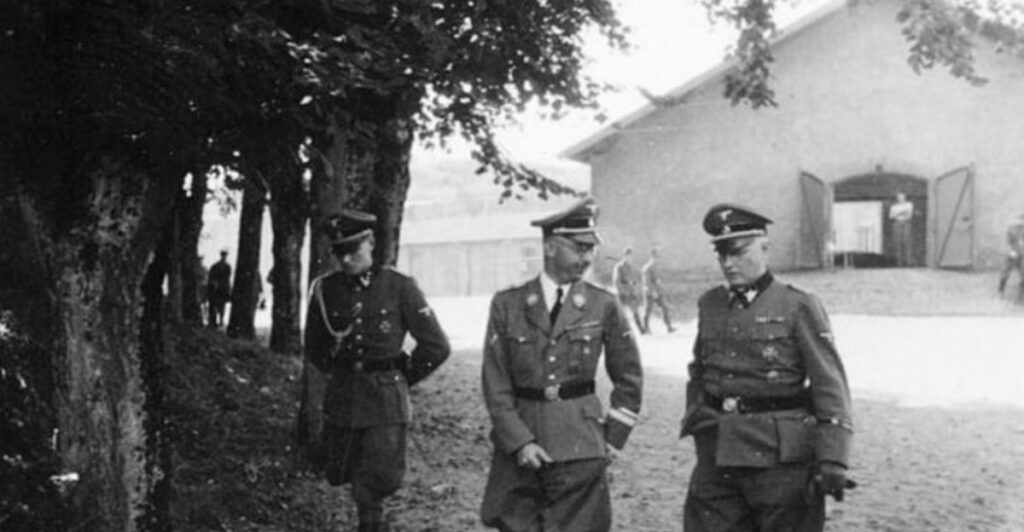
The head of the German SS, Heinrich Himmler, had a strange fascination with the Tapestry. He thought that it was evidence that there the Normans had Germanic roots. He rationalized in his mind that this aligned with Nazi ideology and glorified the Aryan ancestry. This led to a dark motivation to “reclaim” the Tapestry.
Studying The Tapestry
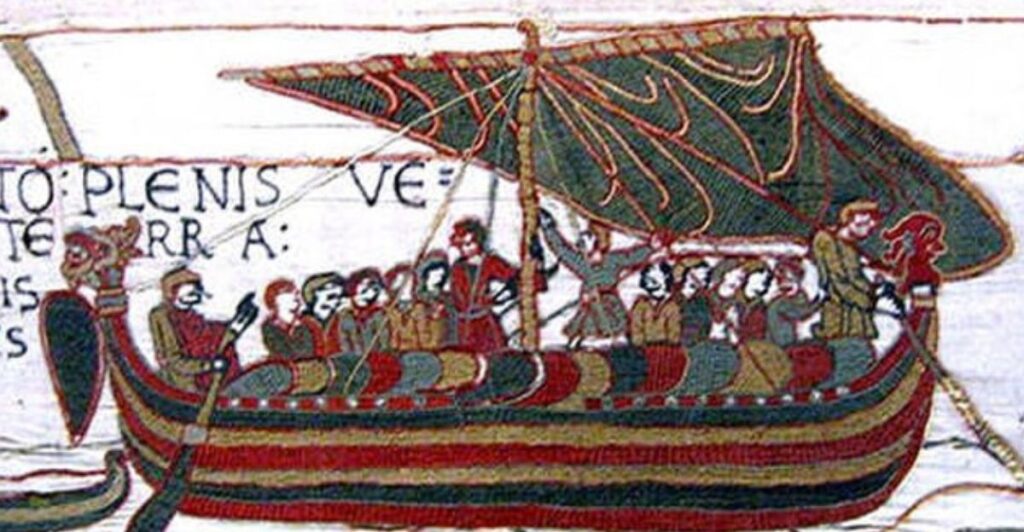
The Ahnenerbe, a German research group, was co-founded by Himmler and given the mission to study the Tapestry that was in its rightful place in Bayeux. They wanted to justify theories about Normans descending from Vikings.
Theft
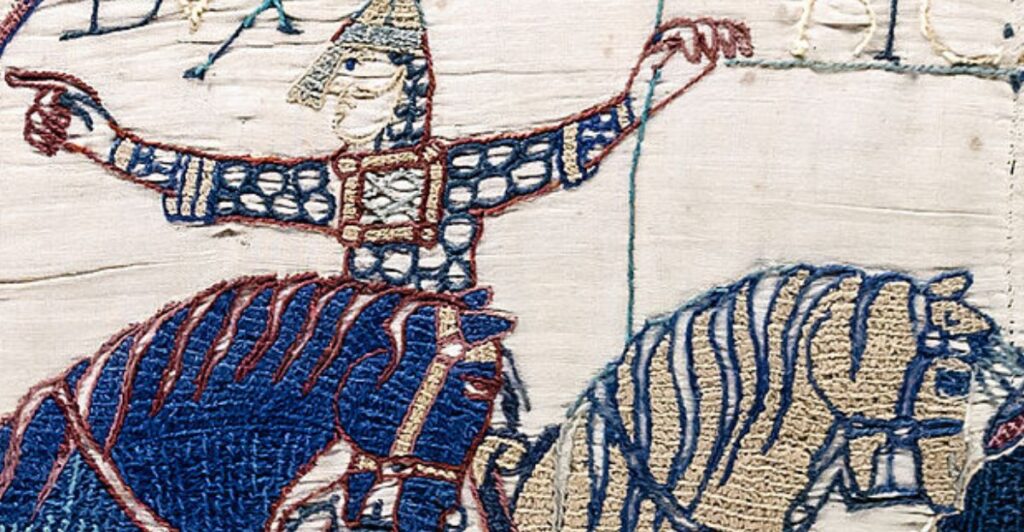
The Ahnenerbe traveled to France to study the Tapestry, but no one discovered for years what they didn’t just look at it. Nazi researchers in 1941 stole a small fragment of the Tapestry to take back to Germany for further study. The fragment was discovered in the Schleswig-Holstein State Archives and will be returned to France.
The Journey Of The Tapestry
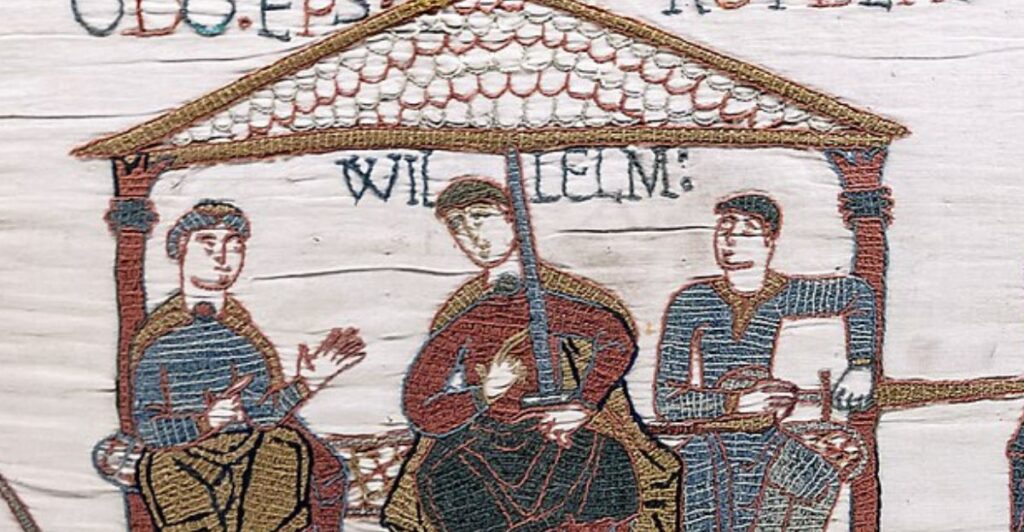
The Tapestry was moved many times throughout World War II for its own safety, as bombing from the Allies would have destroyed it. It was in a monastery at one point, and then it moved to the Chateau de Sourches before ending up in the Louvre in Paris.
A Narrow Escape
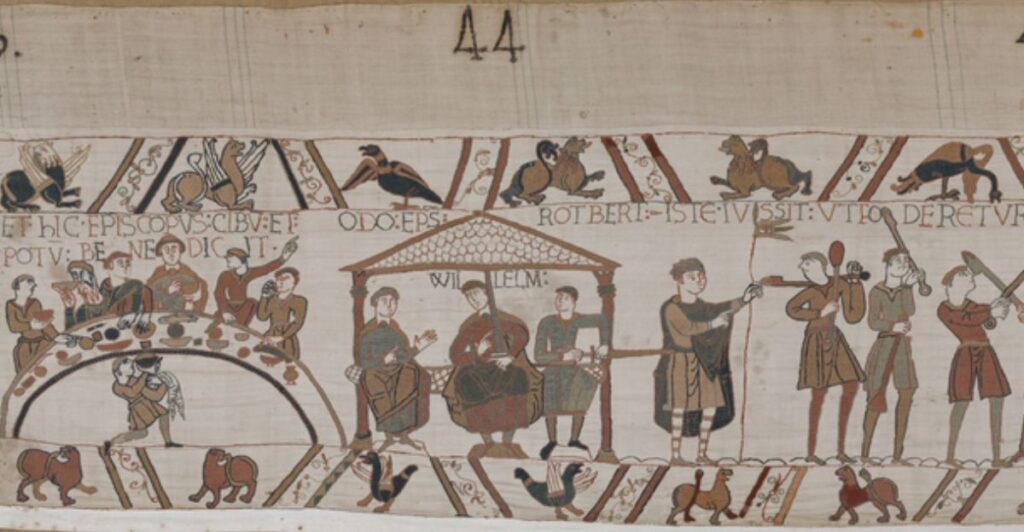
The Tapestry came close to leaving France. In August 1944, Himmler ordered it to be taken to Germany, but the liberation of Paris came first, and the Tapestry stayed safely in the Louvre’s basement.
Being Returned
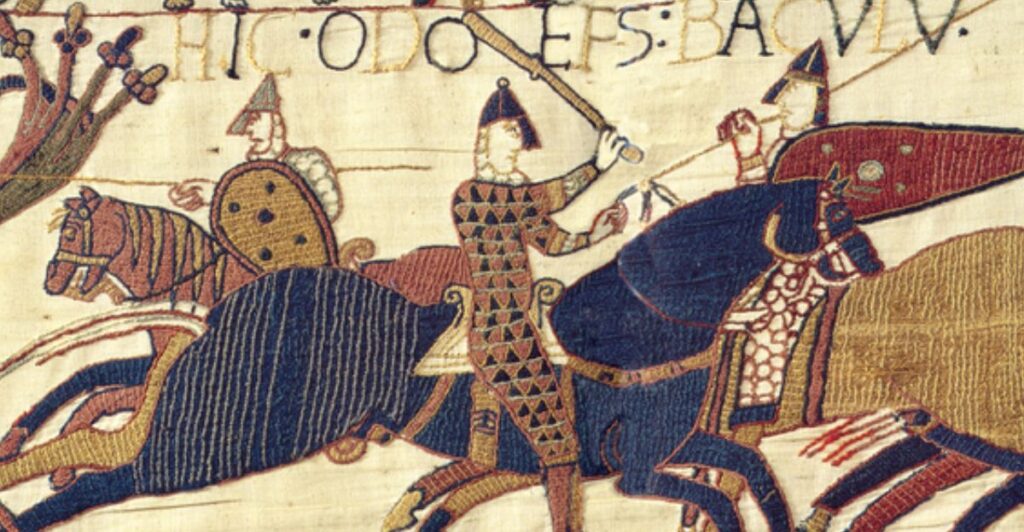
Once the war had ended, the Tapestry was taken out of the Louvre’s basement and displayed there. In 1945, it was moved back to its rightful place in Bayeux. Today, it sits in the Bayeux Museum, where it captivates thousands of people.
The Fragment
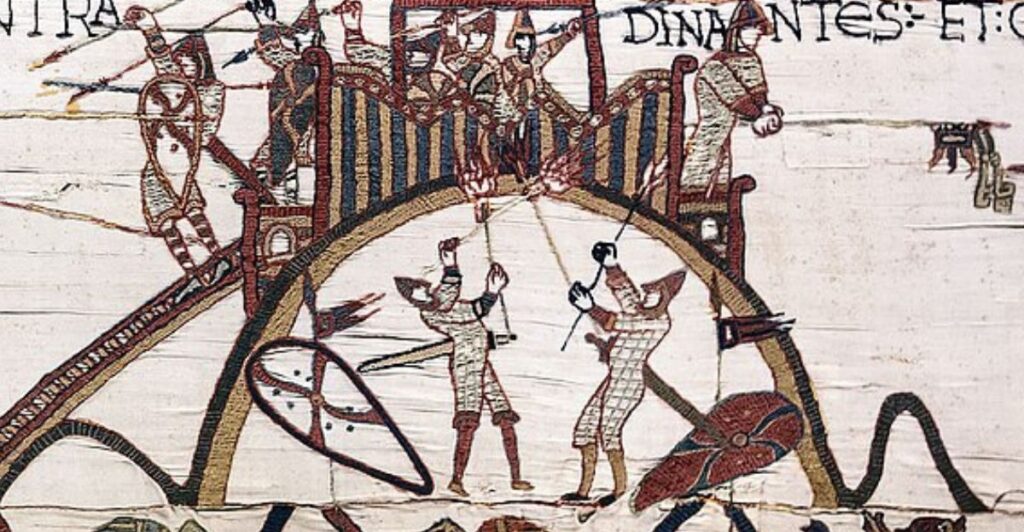
The fragment that had been stolen by the Nazis 80 years ago is a small piece of the Tapestry that doesn’t have any embroidery on it. This stolen fragment highlights just how obsessed the Nazis were. With its return to France after many decades, it has been a victory for historical and art preservation.
A Legacy
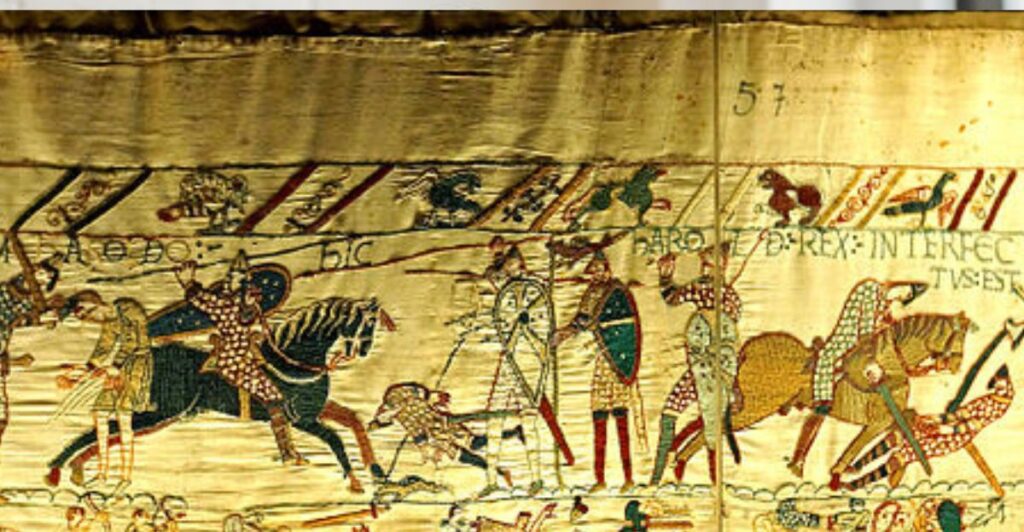
Many were worried about the Bayeux Tapestry’s destruction in World War II, but through the dedication of rebels risking their lives, the Tapestry remained in France and has survived a difficult time in history. The cultural treasure is finally back where it belongs, where it should sit for the foreseeable future. Many still wonder what exactly the Nazis saw in the legendary piece – perhaps it was just chasing justification for their regime, or maybe it was something deeper. The mystery is still ongoing.
2026 Update: The Stolen Fragments Go Home and the Tapestry Comes to London
The story of the Nazi-era fragment has now closed. In January 2026 the German state of Schleswig-Holstein handed back two small, unembroidered linen fragments to the Bayeux Museum. They had been removed in the summer of 1941 by Karl Schlabow, a textile specialist sent by the German occupation authorities to study the cloth for the Ahnenerbe. His study was never published, and the pieces turned up by chance in 2023 among his personal papers, mounted on a labelled glass plate.
The plans to move the Tapestry to Germany were never carried out. In August 1944 Himmler did want the work taken to Berlin, but the liberation of Paris came first and the Tapestry stayed in the Louvre. Historians describe it as most likely commissioned by Bishop Odo and stitched by English embroiderers in the 1070s. Strictly speaking it is an embroidery, not a woven tapestry.
In another first, the nearly 70-metre embroidery went on display at the British Museum on 10 September 2026. This is the first time it has been shown in Britain in more than 900 years. The loan runs until July 2027 while the Bayeux museum is renovated. In return, Normandy is borrowing treasures from Sutton Hoo.
Sources
- GOV.UK: Bayeux Tapestry to go on display at the British Museum in 2026
- The Local France: Germany returns fragments of the Bayeux Tapestry taken in 1941
- Medievalists.net: Bayeux Tapestry exhibition opens at British Museum