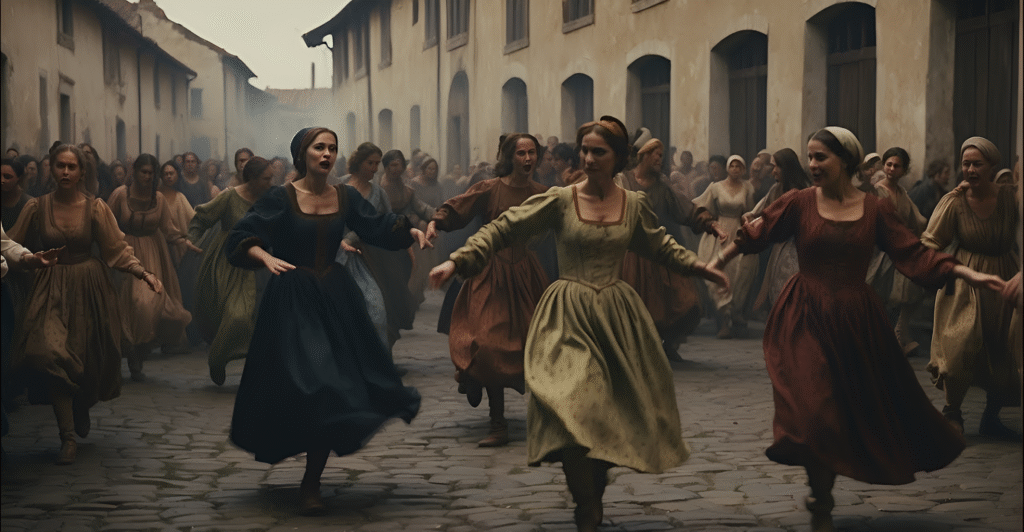
In July 1518, Strasbourg (then part of the Holy Roman Empire) witnessed one of history’s most bizarre epidemics: the Dancing Plague. For weeks, hundreds of people danced uncontrollably in the streets, ignoring exhaustion, injuries, and even death. This phenomenon, which later chroniclers said claimed many lives, remains a medical and sociological enigma. If this isn’t the strangest plague to ever hit humanity, I don’t know what is.
The Start of the Outbreak
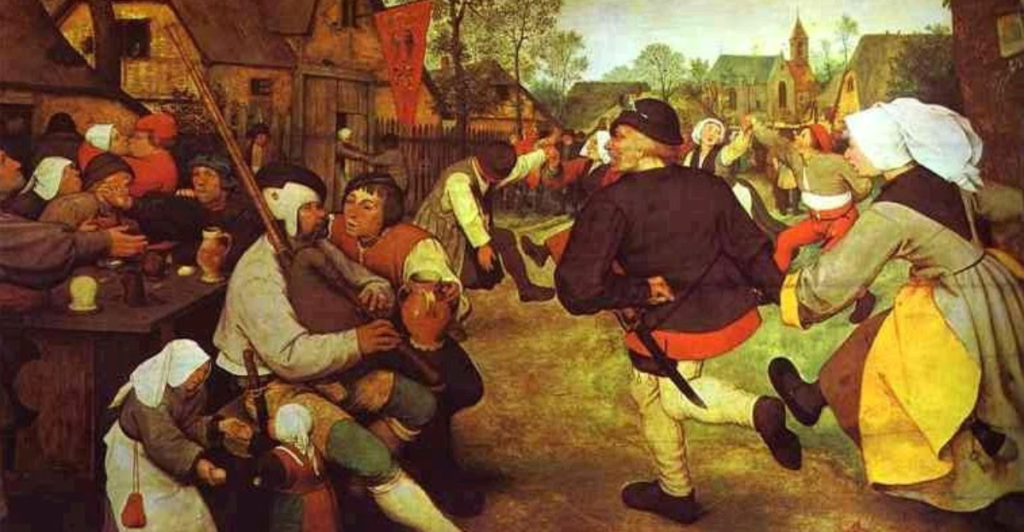
The plague started with Frau Troffea, a woman who began dancing uncontrollably in a Strasbourg street on July 14, 1518. Within days, dozens joined her, their movements described as spasmodic, with vacant eyes and bloodied feet. By August, some 400 people had been afflicted, many collapsing from exhaustion. Everyone was utterly baffled by the cause of this strange plague.
Authorities’ Bizarre Response
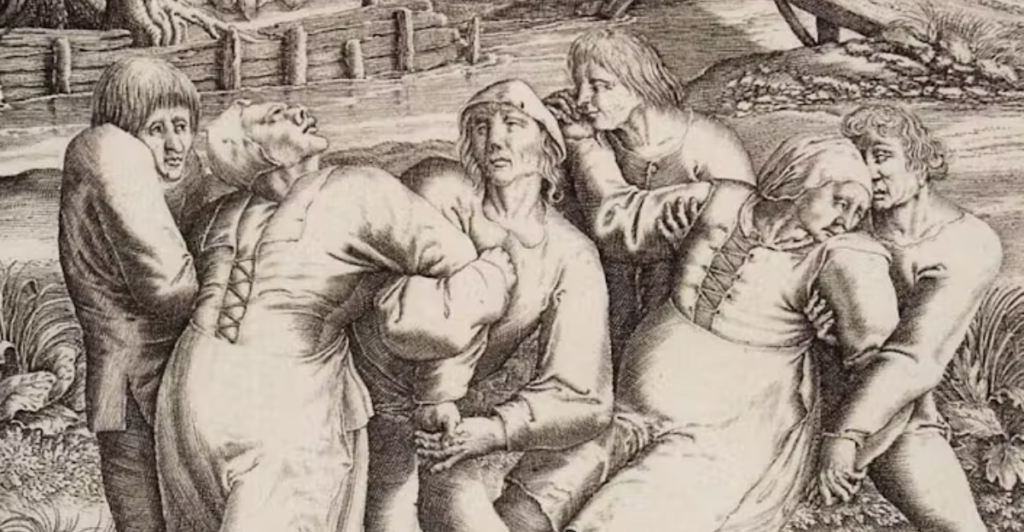
Strasbourg’s leaders believed the dancers needed to “dance it out.” They built stages, hired musicians, and encouraged healthy dancers to join, hoping to exhaust the afflicted. This naturally didn’t work and caused more chaos than anything else.
Mass Hysteria Theory
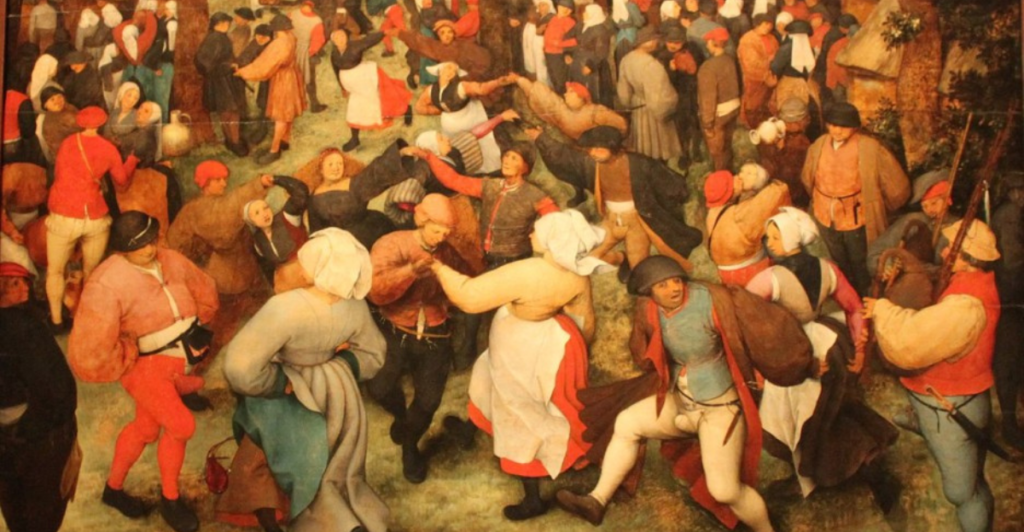
This theory was most believed to be the cause of the plague, especially by historian John Waller, who blamed the plague on a mass psychogenic illness triggered by extreme stress. In 1518, Strasbourg faced many difficulties like famine, disease outbreaks (e.g., smallpox, syphilis), and religious tensions, creating a volatile environment where collective anxiety could manifest as physical symptoms. Waller argues that the dancers’ trance-like state and vacant expressions reflect psychic contagion, where fear spreads rapidly in a tight-knit community.
Ergot Poisoning Theory

Another widely believed cause of this plague was due to contaminated rye bread. Ergot, a fungus that grows on damp rye, contains psychoactive compounds like ergotamine, which can induce hallucinations, convulsions, and spasms. One flaw in this theory was that Ergot poisoning typically causes gangrene, muscle pain, and restricted blood flow to extremities, symptoms that would physically prevent sustained dancing.
The Physical Toll the Plague Took
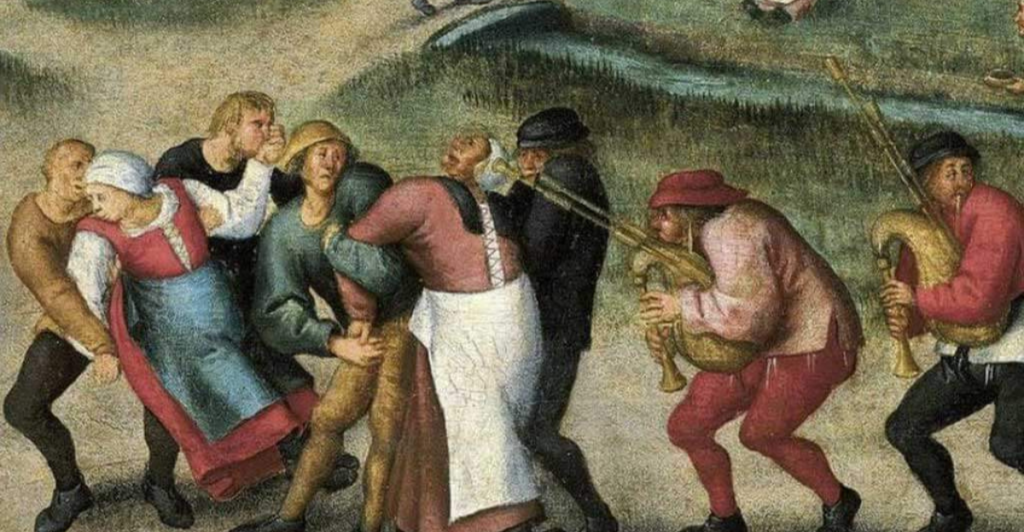
This might seem like a harmless plague to be faced with, but it was far from that. Dancers endured blistered feet, convulsions, and blood pooling in their shoes. Later chronicles claim that some died from exhaustion, strokes, or heart attacks—as many as 15 a day at its peak—though Strasbourg’s own records from 1518 mention no deaths. For a plague that caused dancing, the dancing had some serious consequences.
Why Did It Stop?
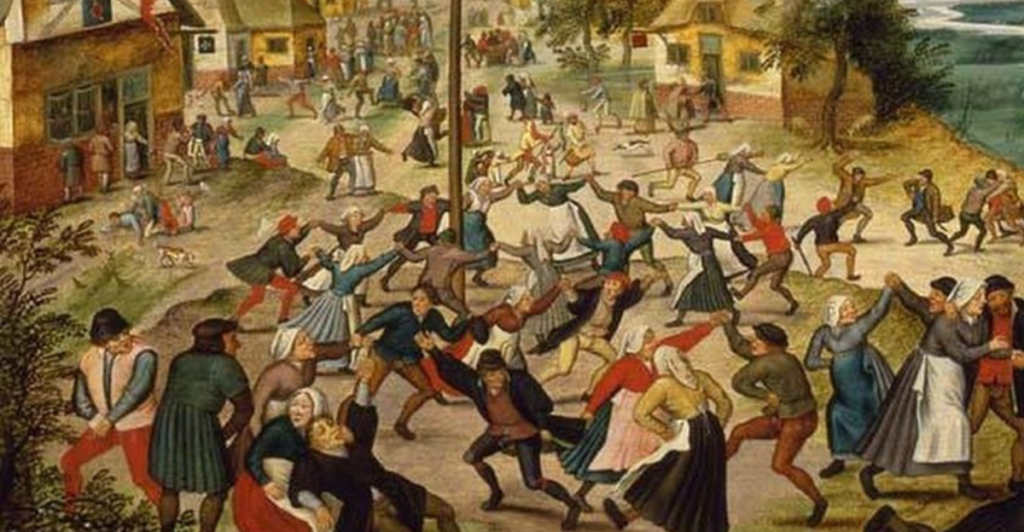
The dancing abruptly stopped in September 1518, which is shocking for no definite reason. A few things could have contributed to the end of the plague. The cycle of contagion was most likely broken due to physical exhaustion. Authorities also sent the worst-afflicted dancers to the shrine of Saint Vitus, a patron saint associated with movement disorders. Pilgrims underwent rituals involving holy water, crosses, and prayers, which may have restored calm through psychological relief. Public gatherings were also banned, which could have helped stop the spread of the plague.
Legacy and Cultural Impact
The Dancing Plague inspired horror stories, books, and even video games. It is still a cautionary tale about mass hysteria and the power of collective behavior. Similar outbreaks occurred in medieval Europe, but none were as significant as the dancing plague in Strasbourg.
Lessons for Modern Times
While it’s not likely to see the outbreak of a modern dancing plague, there are still a few cases in the modern world of mass psychogenic illness. There have been examples like fainting outbreaks in schools or unexplained diseases linked to stress. This perfectly shows how psychological and environmental factors can trigger irrational behavior in people without a definite answer as to what caused it.
Still a Mystery
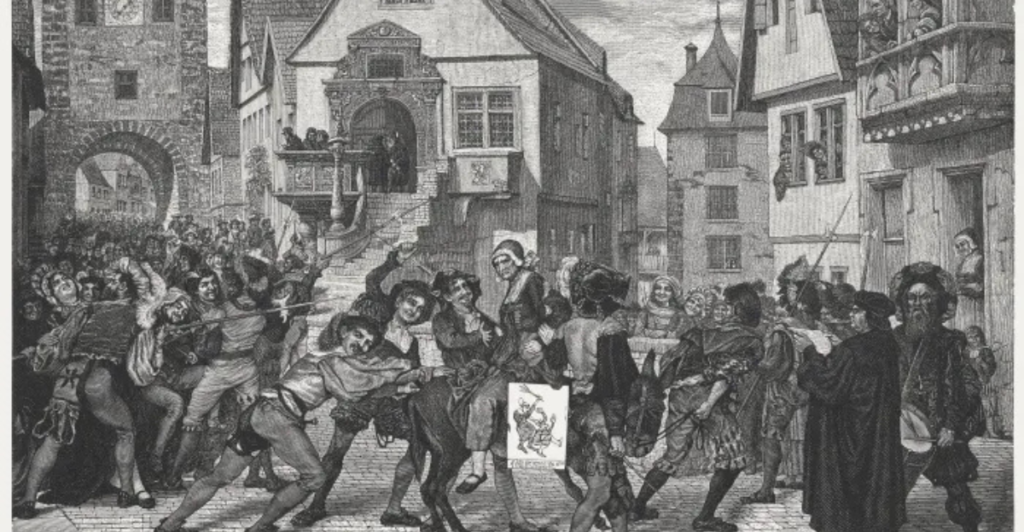
While we might never know the exact cause of this plague, the Dancing Plague of 1518 remains a haunting reminder of humanity’s vulnerability to collective madness. No matter what the cause may be, one thing is pretty clear: Fear and belief can make people do strange things.
2026 Update: How Many People Really Died in the Dancing Plague?
The dramatic death toll is the least certain part of this story. That the dancing happened is well documented. Sebastian Brant, the Strasbourg official and author of The Ship of Fools, recorded the city council’s orders: dancing and music were banned, except for stringed instruments, and the temporary dance platforms were torn down. The architect Daniel Specklin and the Imlin family chronicle also describe the outbreak. The Imlin chronicle gives the figure of about 400 people “afflicted” within a month. That is a count of dancers, not of deaths.
Reports that up to 15 people died each day are a different matter. Strasbourg’s own records from 1518 do not mention any deaths at all. The daily figure comes from later chronicles, some written decades or even more than a century afterward, and modern retellings repeat it. Historian John Waller, whose mass psychogenic illness theory is described above, relies on these later sources for the fatalities. Other writers note that the true toll is simply unknown. A careful reading of the evidence: hundreds of people danced, some probably died from exhaustion or related illness, but no contemporary document confirms how many.
The ending is better documented. The worst-affected dancers were taken by wagon on a three-day journey to a shrine of Saint Vitus near Saverne. There, priests gave them small crosses and red shoes and anointed them with holy oil and water. Within weeks the outbreak had faded.