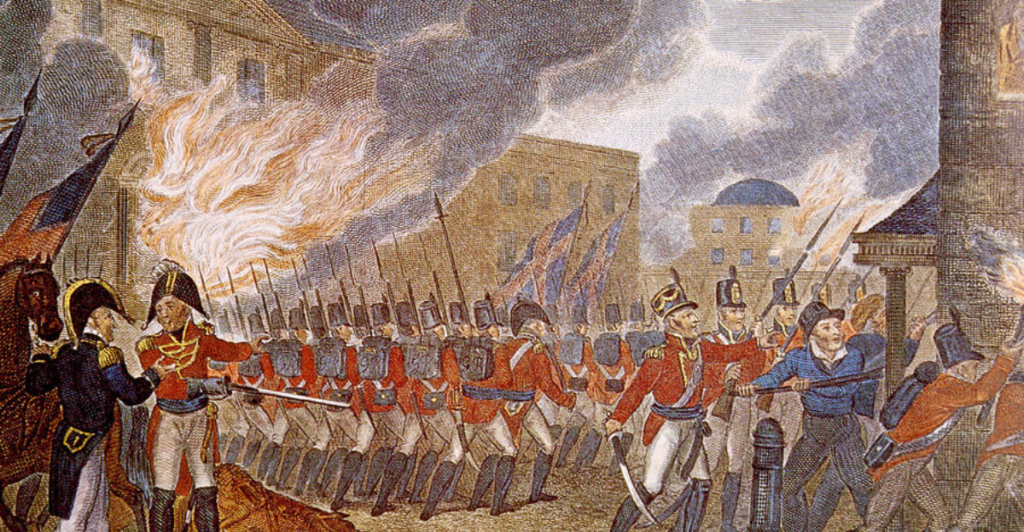
Most people think of the U.S. and Canada as friendly neighbors with the world’s longest peaceful border. But over 200 years ago, that border was anything but peaceful. In 1812, the U.S. launched an invasion into Canada—expecting a quick, easy win. Instead, it turned into a humiliating disaster. From botched battles to unexpected resistance, here’s how America’s northern ambitions crumbled almost as quickly as they began.
Manifest Destiny Met Its Match
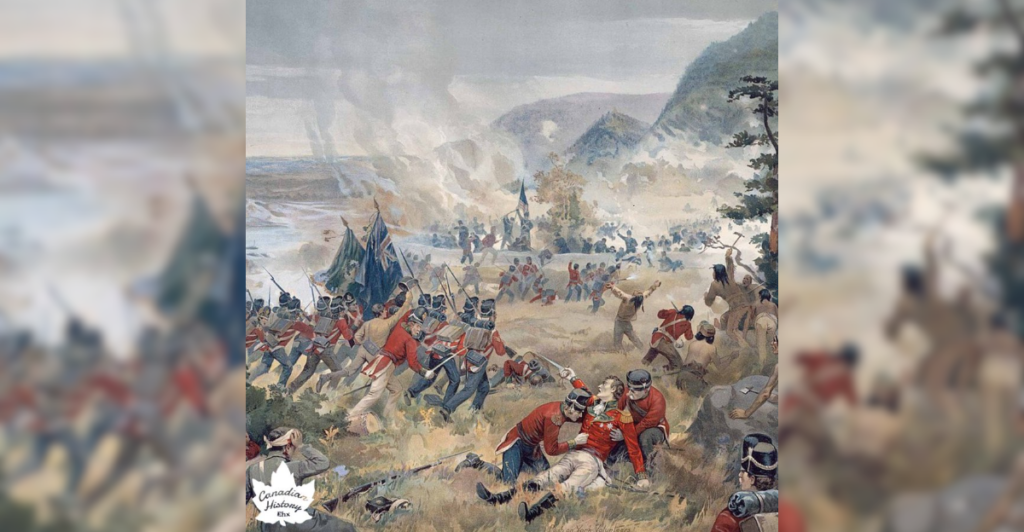
In 1812, the U.S. bet big on invading Canada—expecting surrender, not resistance. President Madison assumed settlers would welcome American troops as liberators. Instead, British forces, Canadian militia, and Indigenous allies united in fierce opposition. What was sold as a quick conquest collapsed fast, revealing the peril of overconfidence and imperial arrogance.
Outnumbered—and Still Victorious
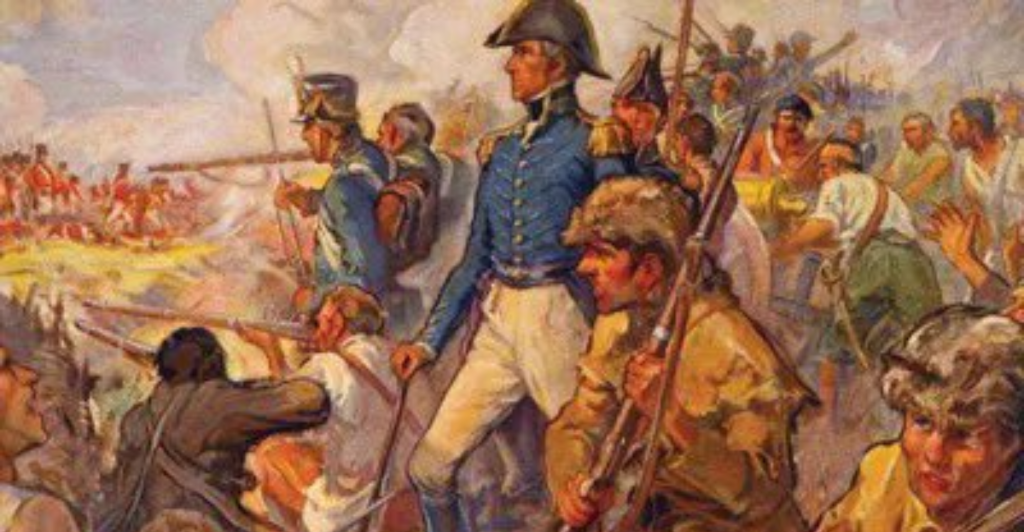
U.S. strategists believed sheer numbers—7.7 million Americans vs. approximately 500,000 Canadians—would win the war. They didn’t count on superior tactics. British General Isaac Brock and Shawnee leader Tecumseh turned local knowledge into a weapon, while disorganized U.S. militias faltered. Detroit fell without a fight. The myth of American invincibility cracked wide open.
The Detroit Disaster That Shook Washington
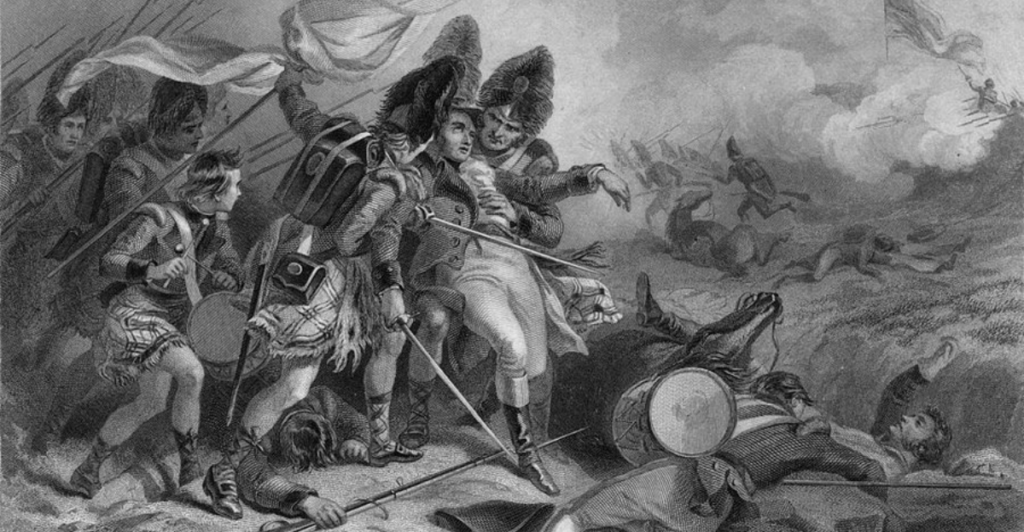
General William Hull’s army surrendered Detroit without firing a shot—fooled by Tecumseh’s staged troop maneuvers. It was a humiliation so total, Hull was court-martialed for cowardice. But the truth ran deeper: the U.S. entered this war underfunded, divided, and militarily unprepared. Detroit became the war’s symbol of strategic collapse.
Great Lakes, Greater Blunders
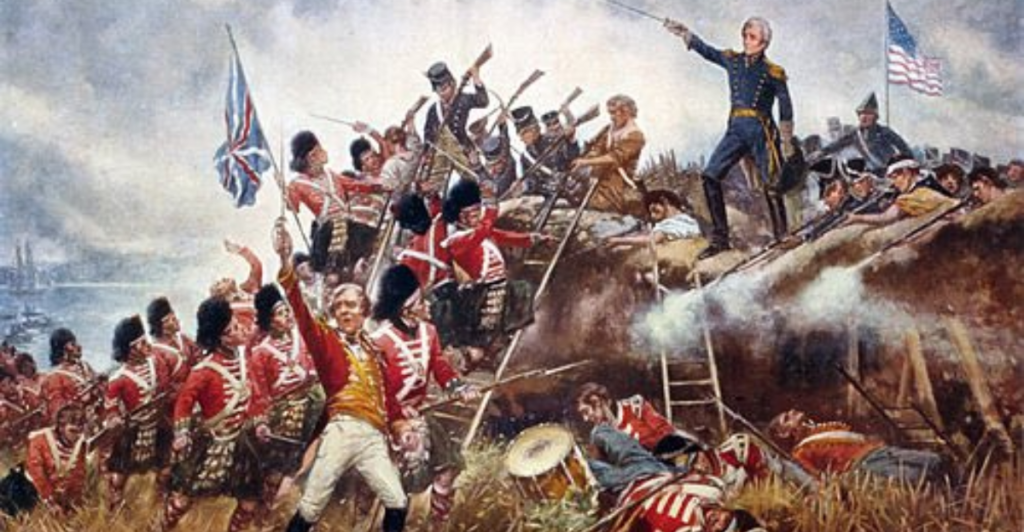
Control of the Great Lakes was crucial, and Perry’s 1813 victory at Lake Erie gave the U.S. a much-needed boost. But strategic blunders followed—like burning York (now Toronto) instead of seizing key hubs like Montreal. British naval blockades later strangled American trade, showing that one big win at sea couldn’t make up for broader missteps.
Indigenous Fighters Held the Line
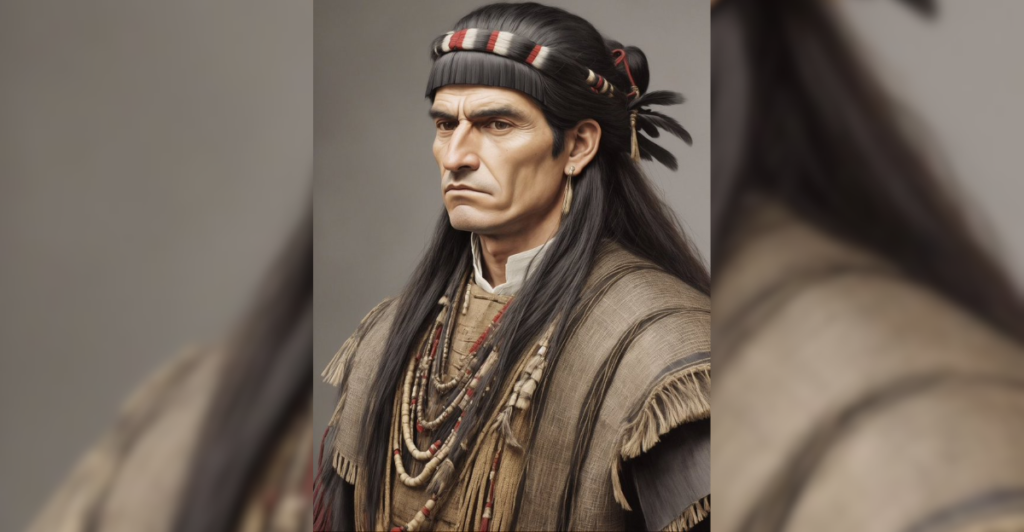
Allied Indigenous fighters, led by Tecumseh, were vital to British victories like Detroit. His confederacy aimed to block U.S. expansion—but after Tecumseh’s death, Britain abandoned the promised Native buffer state. The Treaty of Ghent ignored Indigenous claims, and the U.S. seized millions of acres, unraveling hard-fought Native autonomy across the Great Lakes and beyond.
Canada’s Identity Was Forged in Fire
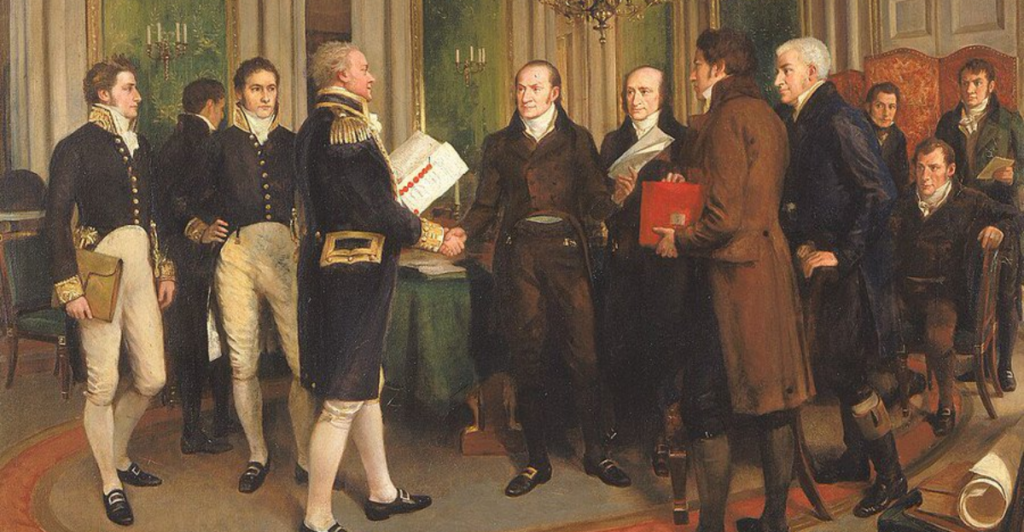
The Treaty of Ghent ended the war with no border changes, but Canada gained something bigger: identity. The U.S. failed to annex Canadian territory, and legends like Laura Secord emerged. Though still a British colony, Canada’s diverse defenders—including Black and Indigenous forces—helped forge a shared national spirit that endured far beyond the battlefield.
America Faced Economic Collapse
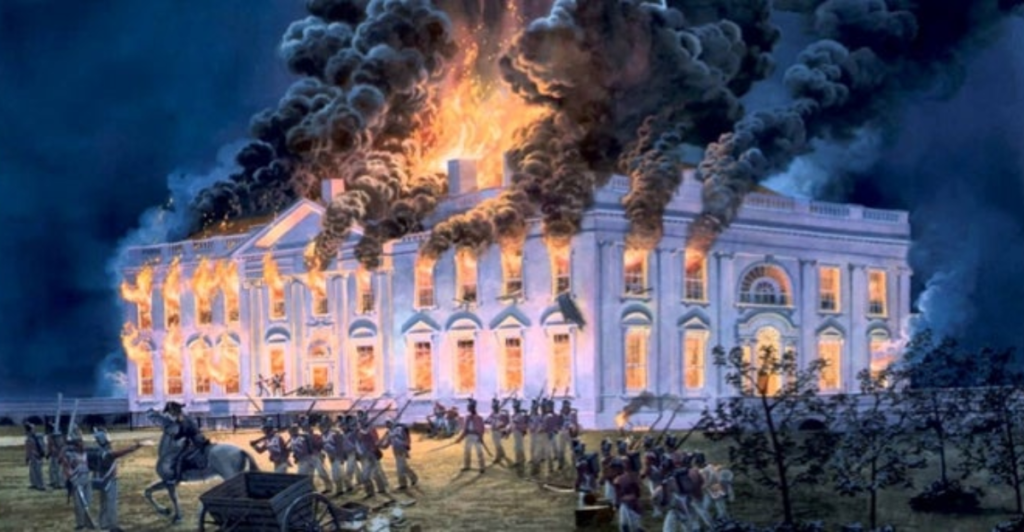
After defeating Napoleon in 1814, Britain turned full force on the U.S., launching a harsh naval blockade that devastated trade—especially in New England. While claims of a 75% economic contraction are hard to confirm, regional losses were severe. Federal debt soared as war costs mounted, and British raids exposed U.S. vulnerabilities. Ironically, the blockade also spurred early industrial growth by forcing reliance on domestic manufacturing.
The War That Changed No Borders—But Everything Else
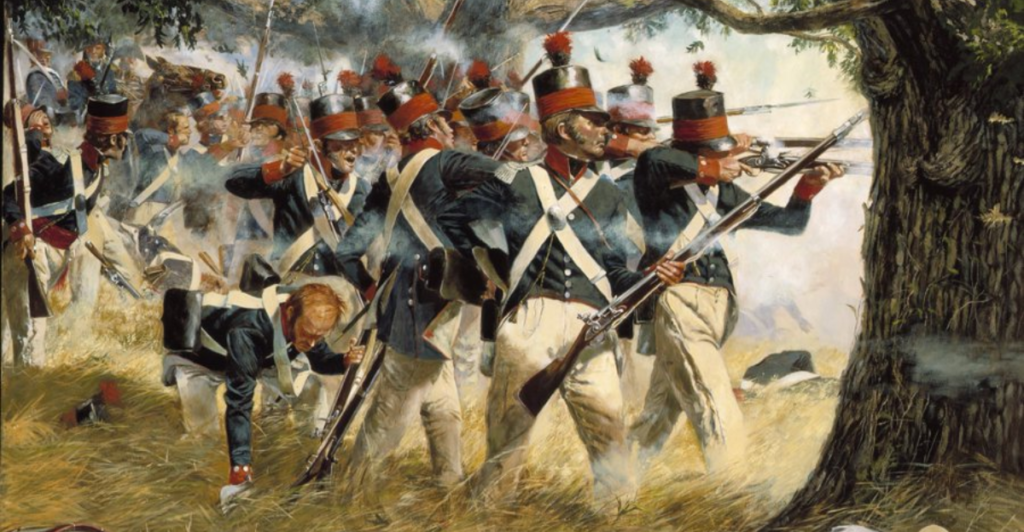
Though the war ended in a territorial draw, it had lasting consequences. The U.S. abandoned plans to annex Canada and expanded west, often at Indigenous expense. Canada, while still a British colony, grew more unified and loyal to Britain. The Rush-Bagot Treaty soon demilitarized the U.S.-Canada border, fostering long-term peace. The war’s outcomes shaped national identities—and sowed seeds of future change across North America.
Who Gets to Write the Legend?
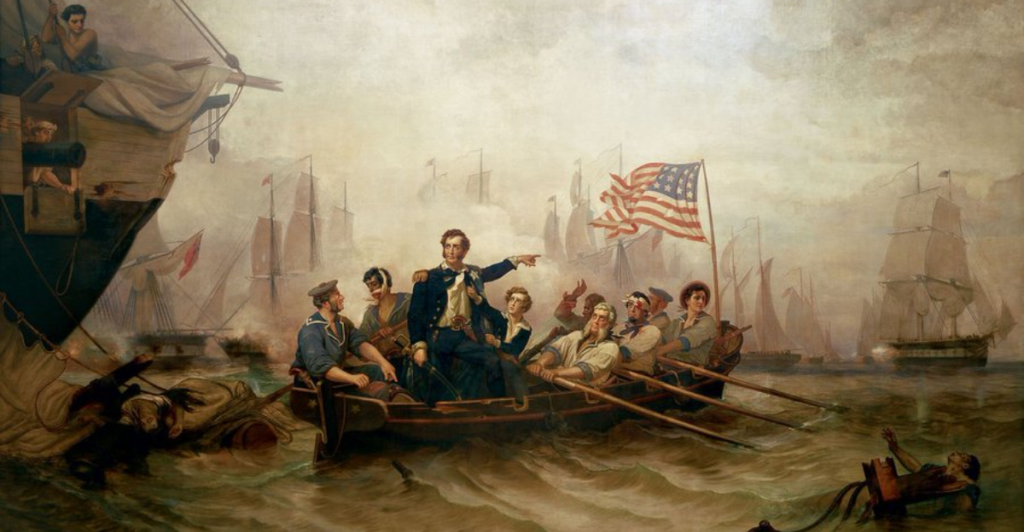
Canada sees the 1812 war as a triumph of unity and survival; Americans recall defiance against British interference. But key voices—especially Indigenous and Black fighters—were sidelined. Tecumseh’s Confederacy collapsed, paving the way for U.S. land seizures. Black troops who defended Canada were soon forgotten. While borders didn’t shift, the war’s legacy shaped national identities—and left lasting scars on those erased from the dominant narratives.
Failure That Redrew the Map of Power
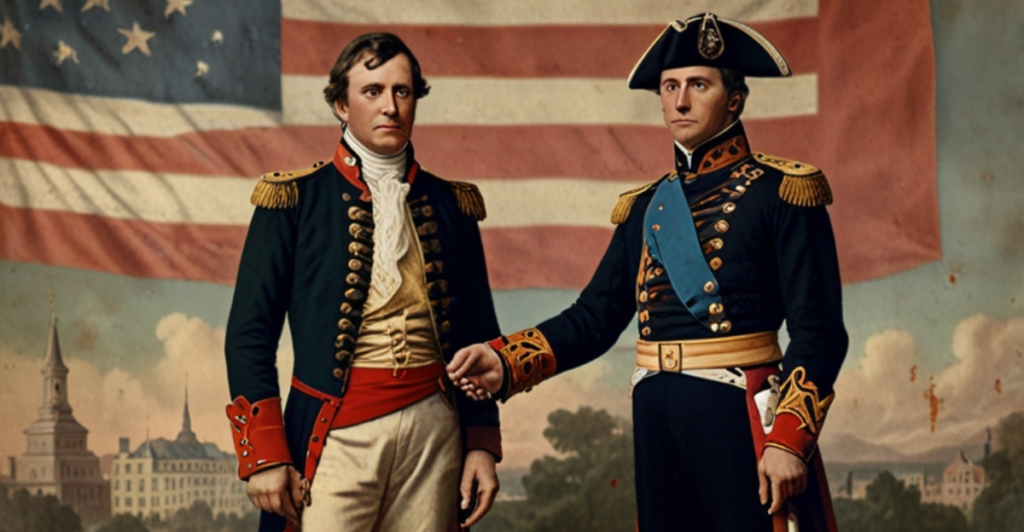
The U.S. invasion of Canada failed, but it reshaped North America. It killed expansionist dreams, exposed military weakness, and accelerated internal reform. But the biggest winners weren’t the U.S. or Canada—they were empires and settler agendas. In war’s wake, Indigenous nations were pushed aside, and colonial borders hardened into national ones.
2026 Update: 1812 Wasn’t the First U.S. Invasion of Canada
As the United States marks the 250th anniversary of independence, it is worth recalling that the War of 1812 was the Americans’ second attempt to take Canada. The first came during the Revolution itself. In 1775 the Continental Congress sent two forces north, hoping French-speaking Quebec would join the rebellion. Richard Montgomery captured Montreal. Benedict Arnold led a punishing march through the Maine wilderness to reach Quebec City.
The decisive assault came at about 2 a.m. on December 31, 1775, in a snowstorm. According to the American Battlefield Trust, Montgomery was killed and Arnold was wounded early in the fighting. By about 9 a.m., Captain Daniel Morgan and more than 400 Americans had surrendered to Governor Guy Carleton’s defenders. American losses are estimated at about 515, against roughly 18 British. The Americans held their lines outside the city through the winter. When British reinforcements arrived, they retreated on May 6, 1776, exactly 250 years before this past May.
Two short notes on the article above. General William Hull was sentenced to death after the surrender of Detroit, but President Madison pardoned him because of his Revolutionary War service. And the Treaty of Ghent did not end the fighting immediately: the Battle of New Orleans was fought in January 1815, after the treaty had been signed.