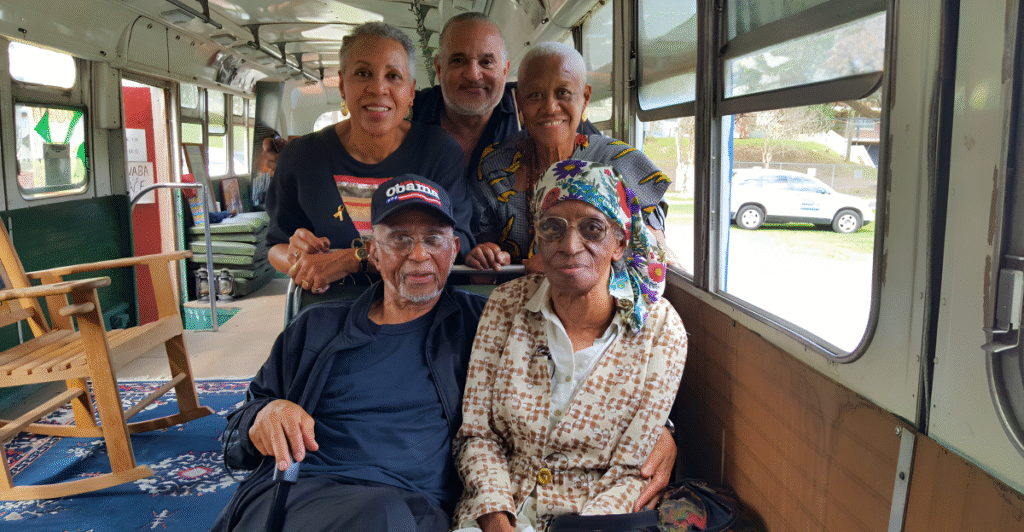
The Montgomery bus boycott began on December 5, 1955, and was an important event in the American civil rights movement. It all began when Rosa Parks, who was on a Montgomery, Alabama bus, refused to give up her seat to a white person, fighting against the city’s segregation laws. Her action sparked widespread protests and a year-long boycott that reshaped the fight for civil rights and brought Martin Luther King Jr. into the national spotlight.
Rosa Parks and the Spark of Resistance
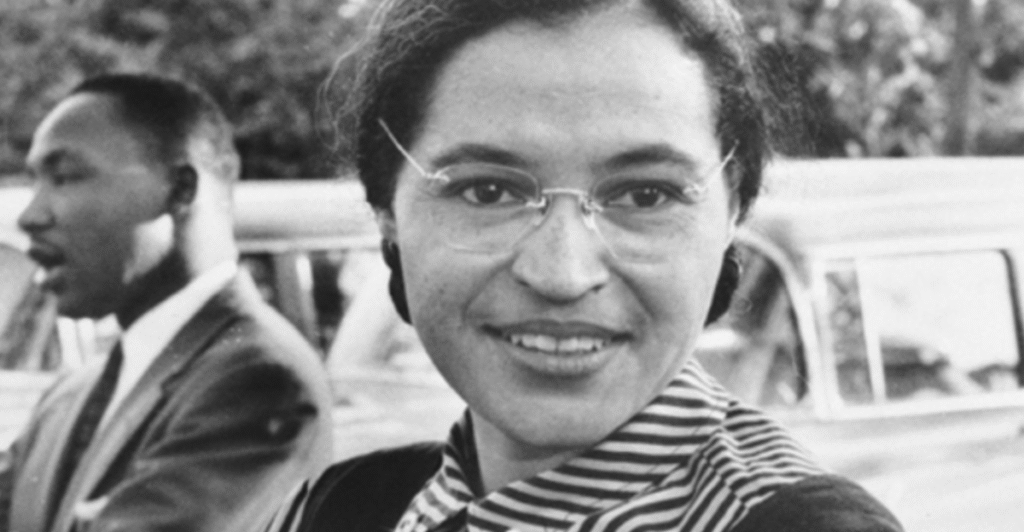
Rosa Parks was a seamstress and a civil rights activist who became an international icon after her arrest on December 1, 1955. Her decision to stay in her seat was not spontaneous; it was a deliberate act of civil disobedience. She had been involved in the NAACP since 1943 and was well aware of the injustices faced by African Americans in Montgomery.
The Montgomery Bus System and Segregation
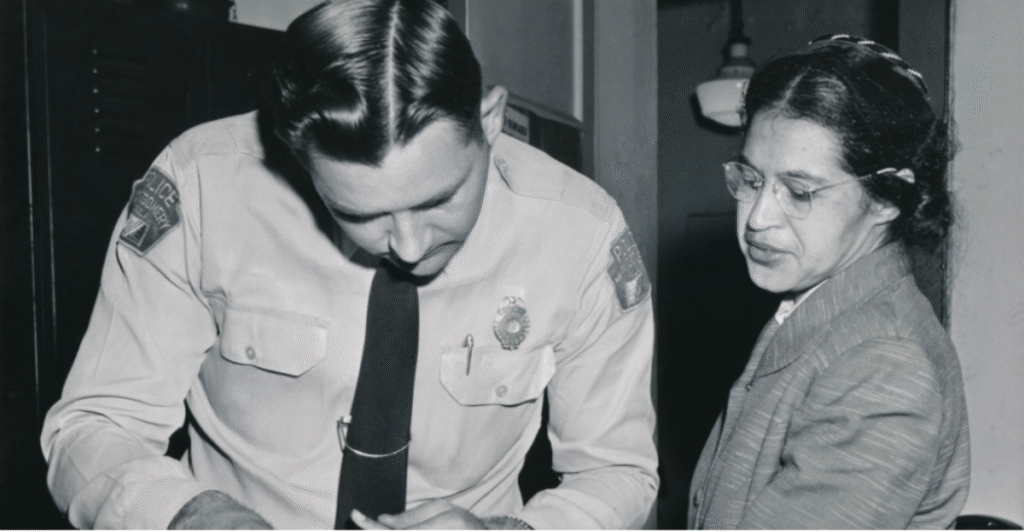
Buses had separate sections for white and colored passengers, and African American riders had to give up their seats if the white section was full. This system was unfair and went against the 14th Amendment. The NAACP saw Rosa Parks’ arrest as a chance to challenge these laws in court.
The Birth of the Montgomery Improvement Association
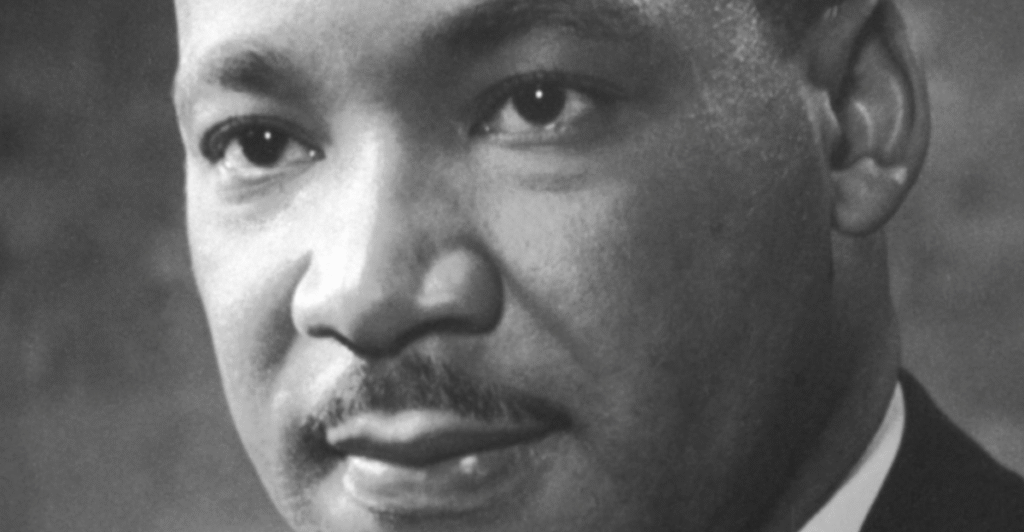
After her arrest, local activists, including Dr. Martin Luther King Jr., began organizing a response. They created the Montgomery Improvement Association (MIA) to lead the boycott, and King was elected as its leader. The MIA called for a citywide boycott of public buses and demanded fair treatment from drivers, seating based on arrival order, and hiring African American drivers for routes mostly used by African American passengers.
Martin Luther King Jr. and the Leadership of the Boycott
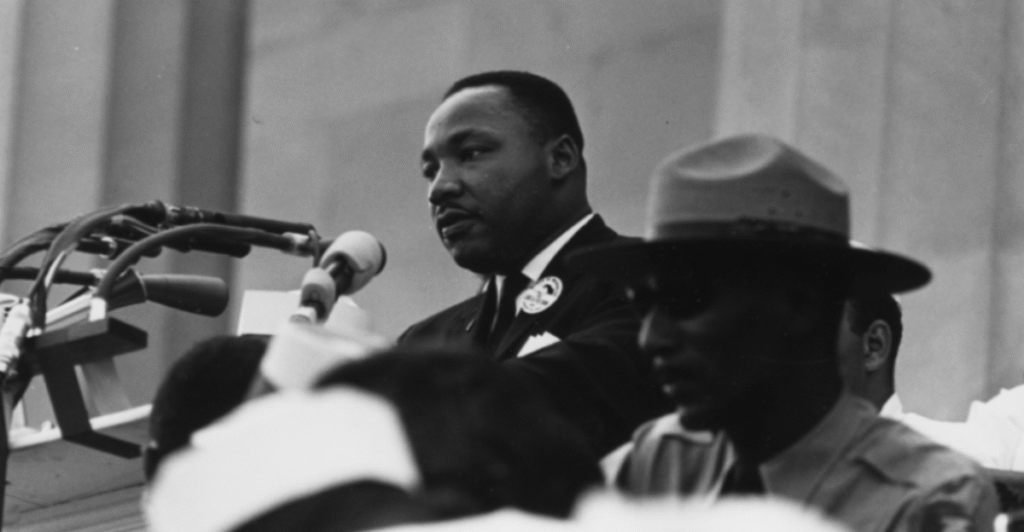
Martin Luther King Jr. became a leading voice in the boycott, inspiring people with his powerful speeches and leadership. He helped turn the protest into a larger civil rights movement, focusing on nonviolent resistance and unity. On December 5, 1955, his speech at Holt Street Baptist Church encouraged thousands of African Americans to stand firm and continue the boycott until their demands were met.
The Boycott’s Impact on Montgomery
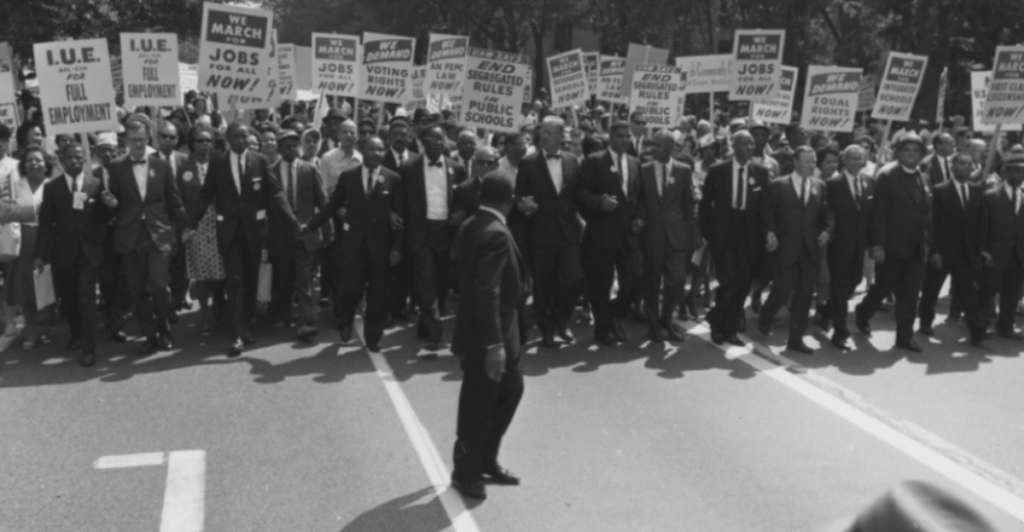
The boycott had a massive impact on Montgomery, both economically and socially. African Americans refused to use the buses, which reduced the city’s revenue from public transportation significantly. This eventually led to a federal court ruling in Browder v. Gayle that declared Montgomery’s bus segregation laws unconstitutional.
The Browder v. Gayle Case
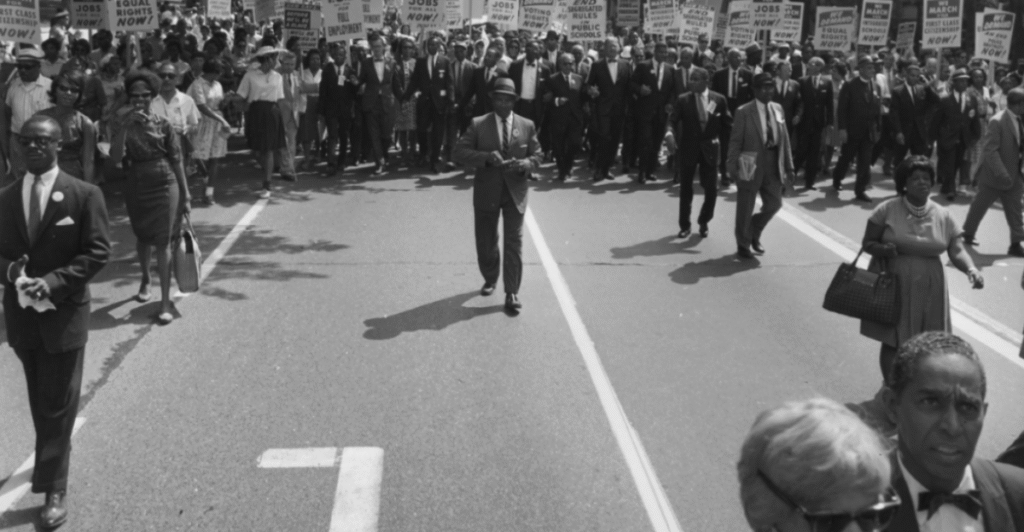
The Browder v. Gayle case was a major win for the civil rights movement. It ruled that segregation on public buses was unconstitutional, setting the stage for more challenges to segregation laws in the South. This victory was a direct result of the bus boycott and the legal efforts of the NAACP and local activists.
The Legacy of the Montgomery Bus Boycott
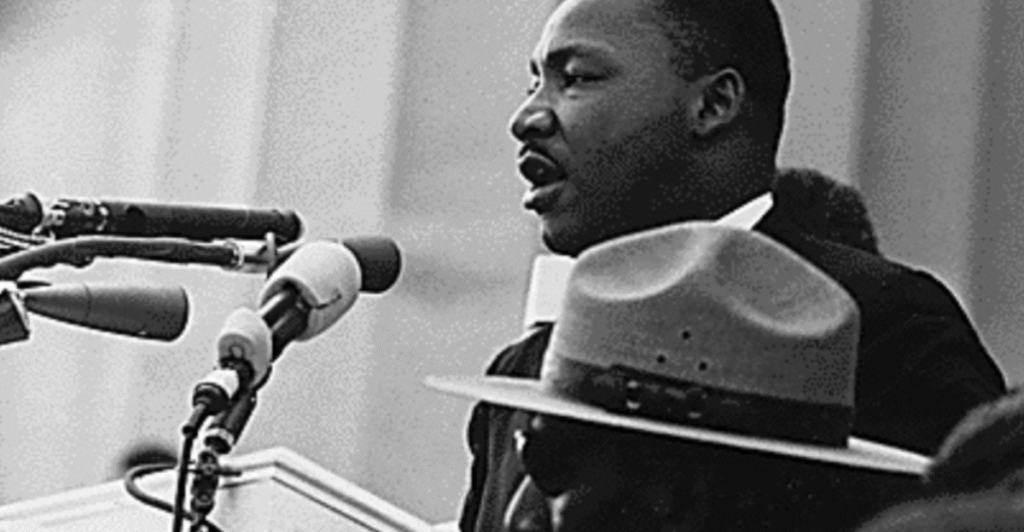
The Montgomery bus boycott was a key moment in the civil rights movement that showed how nonviolent protest and community actions could bring change. It set the stage for future campaigns like the March on Washington and the Selma to Montgomery marches. The boycott also helped establish Martin Luther King Jr. as a national leader in the fight for racial equality.
Challenges and Triumphs
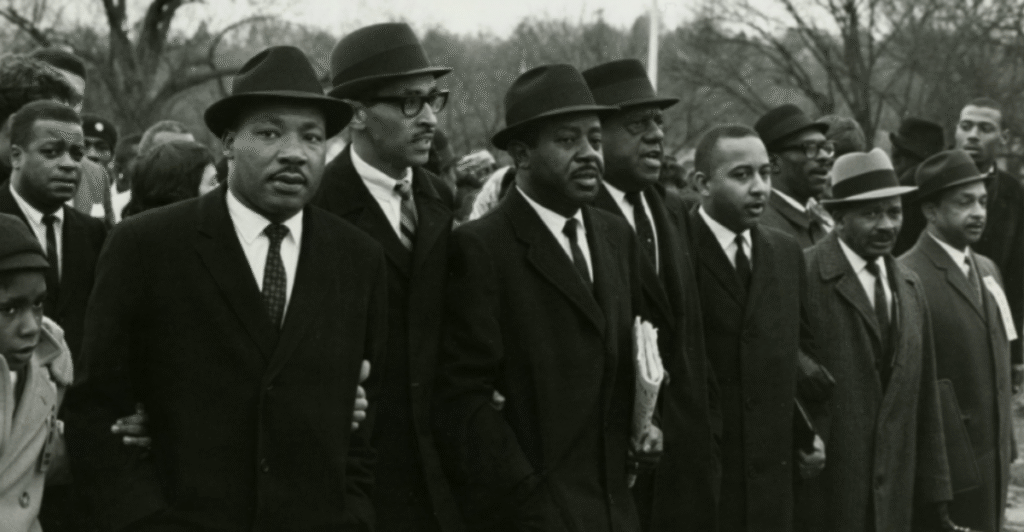
During the boycott, participants faced many difficulties, including financial struggles and threats of violence. Despite these challenges, the African American community in Montgomery remained determined and organized carpooling and other ways to get around the city. Their dedication made a massive difference.
A Pivotal Moment
The Montgomery bus boycott was a defining moment in American history. It not only ended segregation on Montgomery’s buses but also caused the larger civil rights movement, inspiring future generations to push for justice and equality.
2026 Update: Remembering Claudette Colvin, the Teenager Who Refused First
The boycott’s 70th anniversary in December 2025 was followed weeks later by the loss of one of its key figures. On January 13, 2026, the Claudette Colvin Legacy Foundation announced that Colvin had died in Texas at age 86. On March 2, 1955, nine months before Rosa Parks’s arrest, Colvin was a 15-year-old high-school student. When a Montgomery bus driver ordered her to give up her seat to white passengers, she refused and was arrested. Local leaders decided at the time that a teenager’s case was not the right test for a public campaign. Colvin’s stand still mattered in court, though. She was one of the plaintiffs in Browder v. Gayle, alongside Aurelia Browder, Susie McDonald and Mary Louise Smith.
How did the boycott actually end?
A three-judge federal court ruled for the plaintiffs in June 1956. The U.S. Supreme Court upheld that ruling on November 13, 1956. The boycott formally ended on December 20, 1956, when the order reached Montgomery, after 381 days. So the legal victory came from the case that Colvin and three other women brought, while the boycott showed the economic and moral force of the movement.