St. Augustine, Florida, is the oldest city in the United States. It was founded in 1565 by Spanish explorer Don Pedro Menéndez de Avilés. The city has a rich history that predates the founding of America by over 200 years. With its cobblestone streets and historic architecture, St. Augustine has a lot of historical significance, making it a popular tourist destination.
Historical Significance
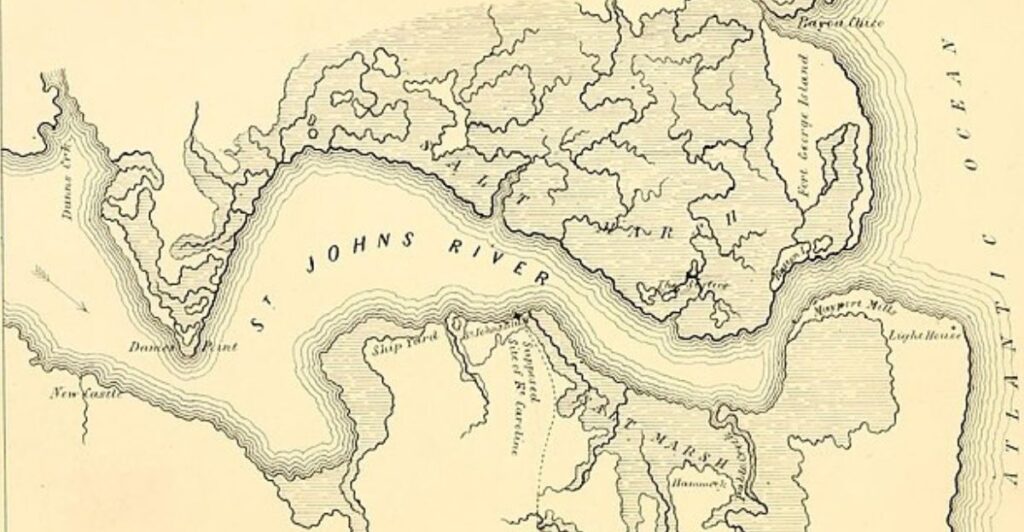
Established on September 8, 1565, St. Augustine is recognized as the longest continuously inhabited European-founded settlement in the continental United States. It originally served as a military outpost to protect Spanish interests and drive out French settlers. This strategic importance shaped its early development and laid the foundation for its historical significance in American history.
The Founding of St. Augustine
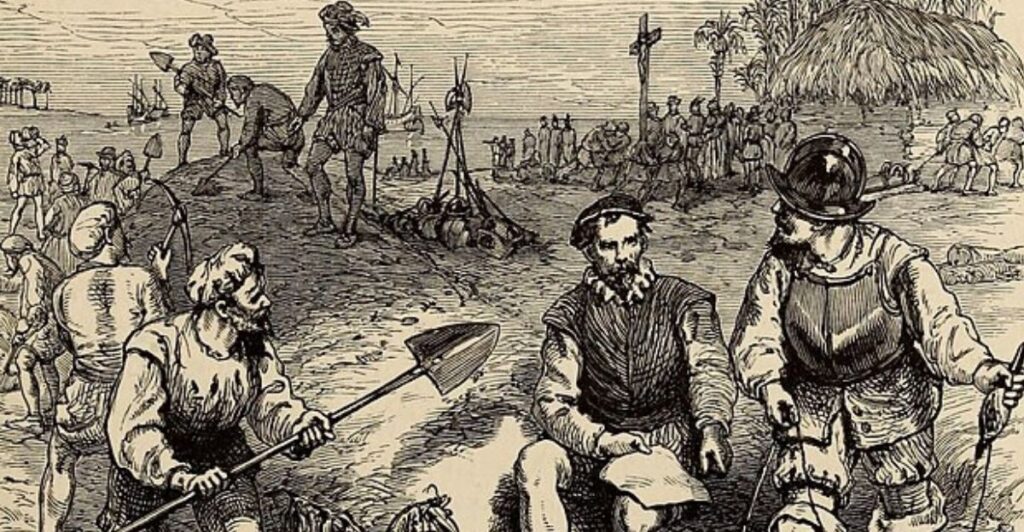
Don Pedro Menéndez de Avilés arrived on Florida’s coast with a mission from King Philip II of Spain. He named the settlement after St. Augustine of Hippo, as his landing coincided with the saint’s feast day. The city was a base for the region’s Spanish colonization efforts and Catholic missionary activities.
Early Conflicts

St. Augustine had challenges during its early years, including attacks from English pirates and rival European powers. In 1586, Sir Francis Drake led a raid that significantly destroyed the settlement. These conflicts prompted the construction of defensive structures, including the Castillo de San Marcos fortress.
Castillo de San Marcos
The Castillo de San Marcos is a key historical landmark that started construction in 1672. It served as a military fortress protecting the city from invasions. Today, it’s a national monument that attracts visitors interested in its history and architecture.
Transition to British Control
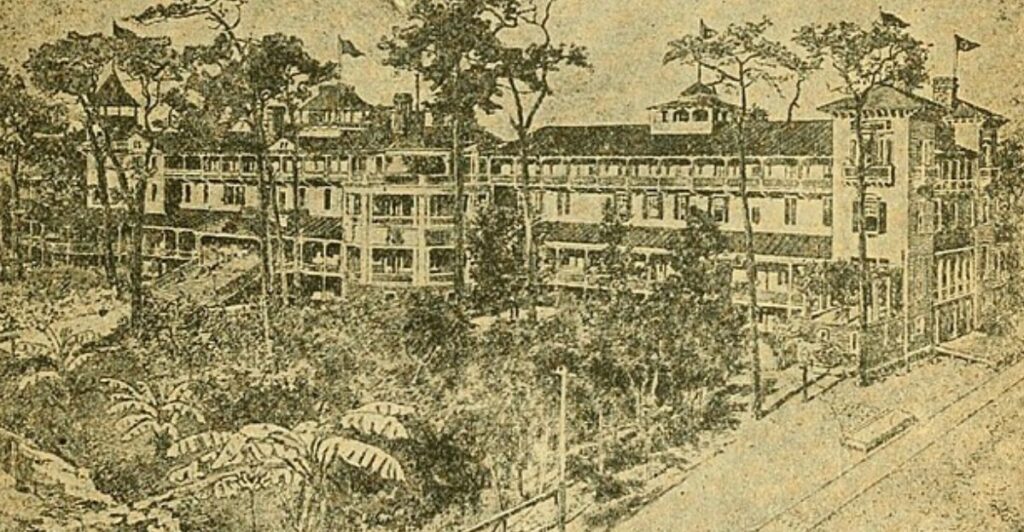
St. Augustine was put under British control following the signing of the First Treaty of Paris in 1763. New governance was introduced while maintaining many Spanish traditions. The city continued to thrive as an important military outpost during this time.
Return to Spanish Rule
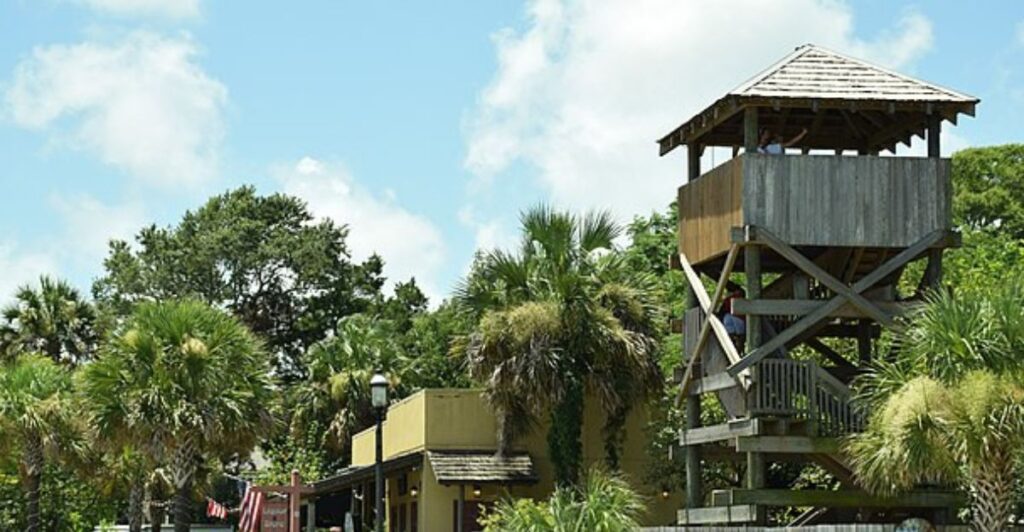
The Second Spanish Period began in 1783 when Florida was returned to Spain after the American Revolutionary War. This era saw further development of St. Augustine’s infrastructure and culture, blending Spanish traditions with emerging American influences as settlers moved into the region.
American Acquisition
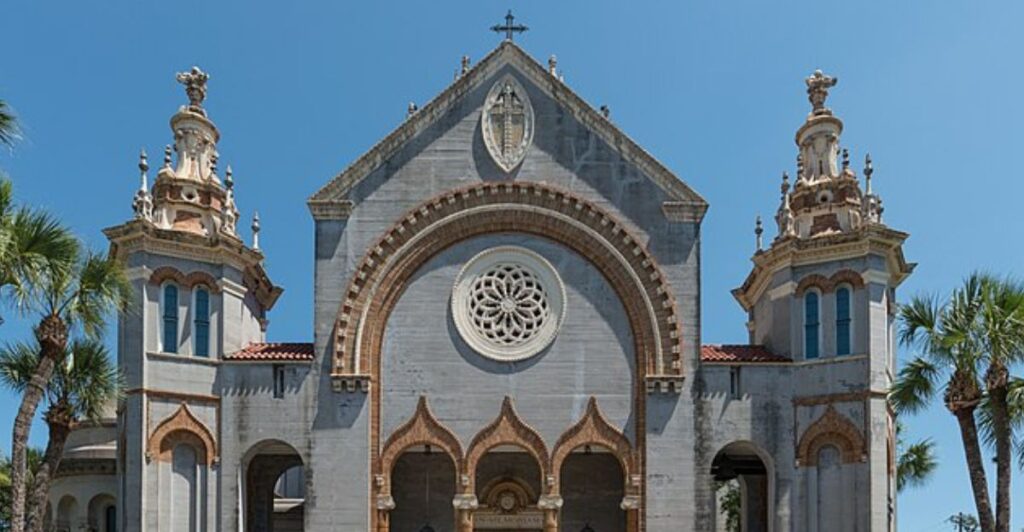
The United States acquired Florida through the Adams-Onís Treaty in 1819, which took effect in 1821. St. Augustine became part of the growing nation during this time of expansion. The city adapted to its new identity while preserving its rich historical heritage.
Cultural Heritage

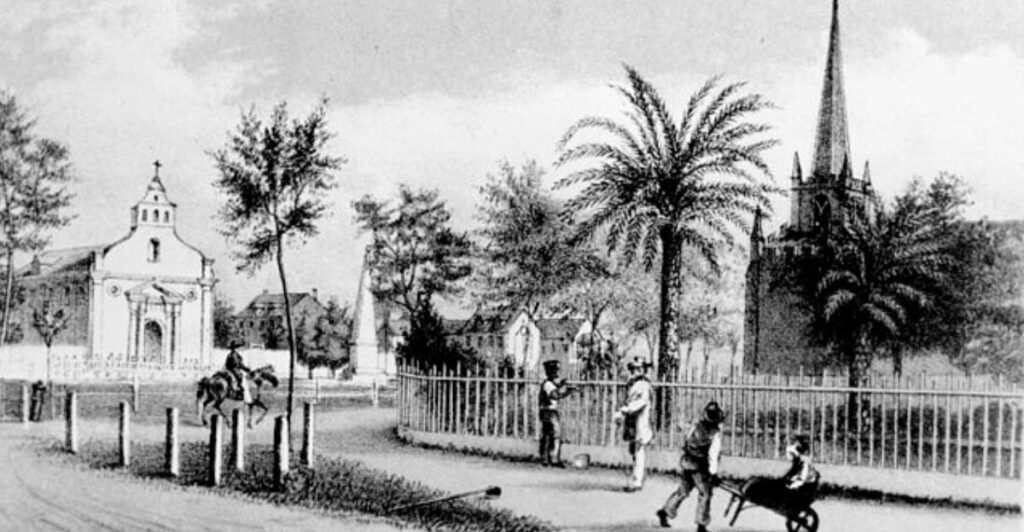
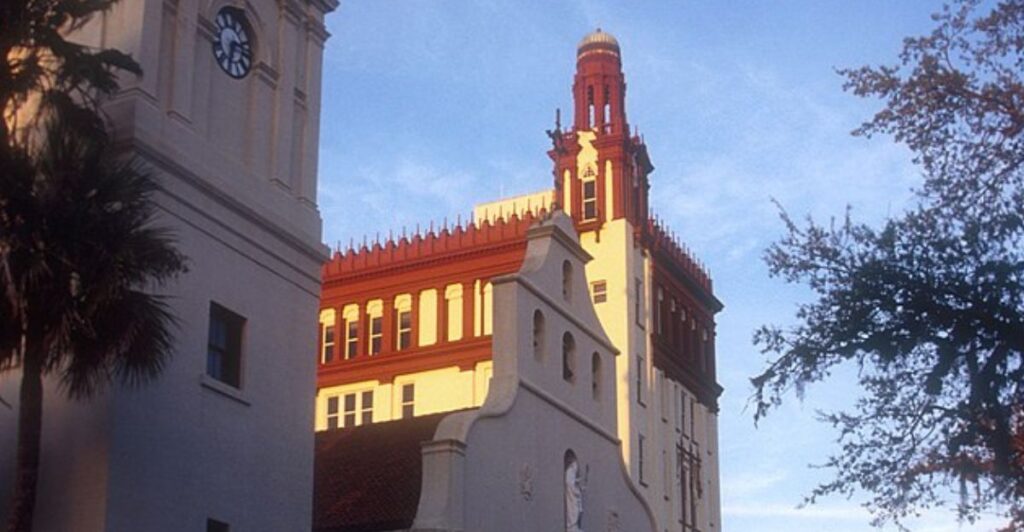
St. Augustine is renowned for its unique blend of Spanish colonial architecture and American history. Visitors can explore historic sites such as the Cathedral Basilica of St. Augustine and various museums that showcase artifacts from different periods of its past, reflecting its diverse cultural heritage.
Tourism Today
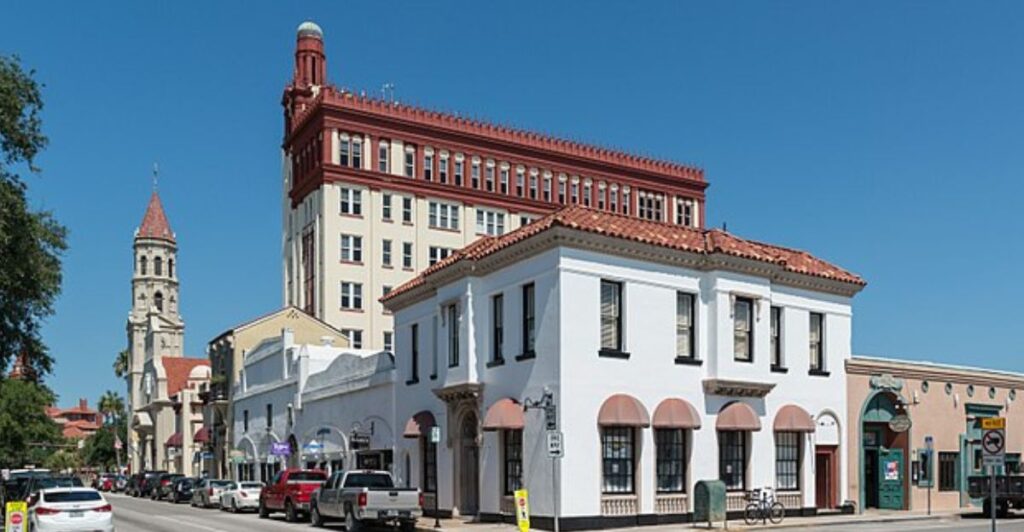
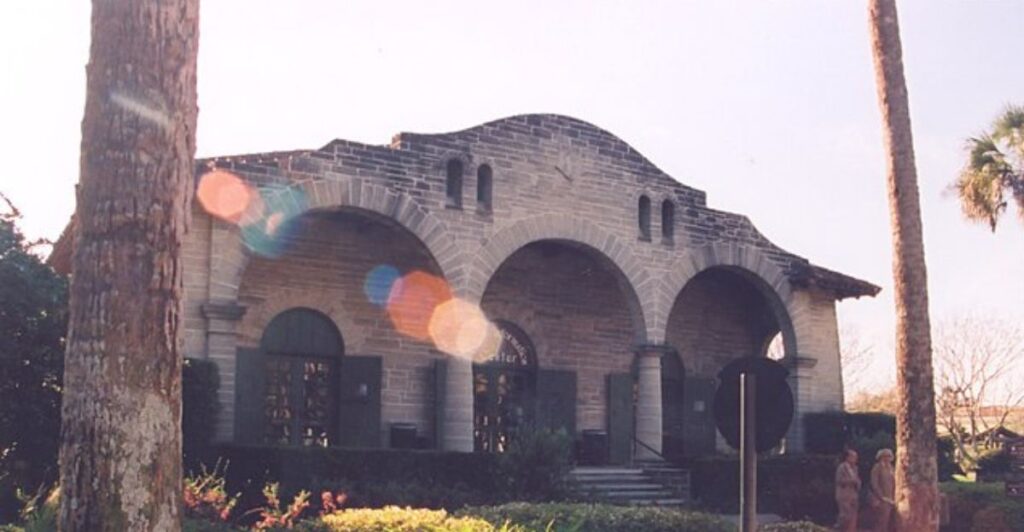
Today, St. Augustine attracts millions of visitors annually who experience its historic charm and scenic beauty. Tourists enjoy exploring landmarks like Flagler College and the Lightner Museum while indulging in local cuisine and shopping along St. George Street.
Festivals and Events
St. Augustine hosts numerous festivals throughout the year to celebrate its rich history and culture. Events such as the Nights of Lights during the holiday season transform the city into a winter wonderland, showcasing its festive spirit while honoring its historical roots.
Educational Opportunities
The city’s historical significance also provides educational opportunities for students and researchers. Guided tours offer insights into St. Augustine’s past, while local institutions promote awareness about its role in American history through various programs and exhibits.
A Living Testament
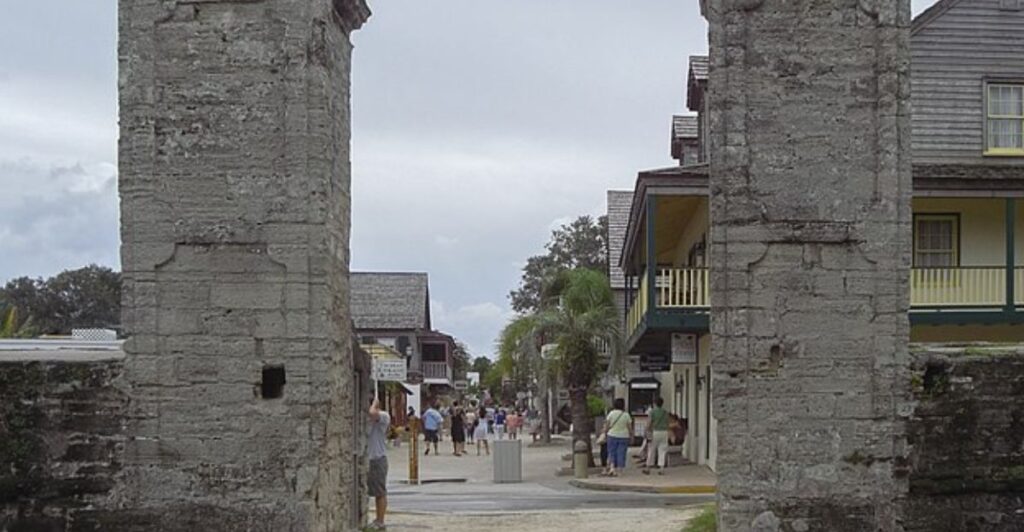
St. Augustine is a living testament to America’s colonial past, making it an essential destination for anyone interested in history. Its status as the oldest city in the U.S., combined with its vibrant culture and beautiful landscapes, ensures that it remains a cherished part of America’s heritage for generations to come.
2026 Update: “Oldest City” Comes with an Asterisk
St. Augustine’s title is accurate, but it needs qualifiers. It is the oldest continuously occupied city of European origin in the continental United States. Pedro Menéndez de Avilés came ashore on September 8, 1565. That was 20 years before Roanoke, 42 years before Jamestown and 55 years before Plymouth. Counting U.S. territories, though, San Juan, Puerto Rico, is older: the Spanish moved their settlement to the San Juan islet in 1521. And long before any European arrived, Indigenous towns flourished. Acoma Pueblo in New Mexico, for example, has been lived in for many centuries and is often called one of the oldest continuously inhabited communities in North America.
St. Augustine’s own ground also reaches far beyond 1565. Excavations at the Fountain of Youth Archaeological Park, where Menéndez is believed to have landed, began in the 1930s. They have produced more than 97,000 artifacts, from the first Spanish camp back to Timucua settlements about 3,000 years old, and only about 30 percent of the park has been explored. Nearby is Gracia Real de Santa Teresa de Mose, or Fort Mose, founded in 1738. Historians consider it the first legally sanctioned free Black town in what is now the United States. Formerly enslaved people who escaped from the British Carolinas found freedom there under Spanish rule.
Sources
- Smithsonian Magazine: The Oldest City in the United States
- National Park Service: St. Augustine Town Plan Historic District