The Dead Sea Scrolls are manuscripts found between 1946 and 1956 in caves near the Dead Sea, specifically at Qumran in the West Bank. Many consider them one of the most significant archaeological finds of the 20th century. They include texts from the third century BCE to the first century CE.
Discovery Background
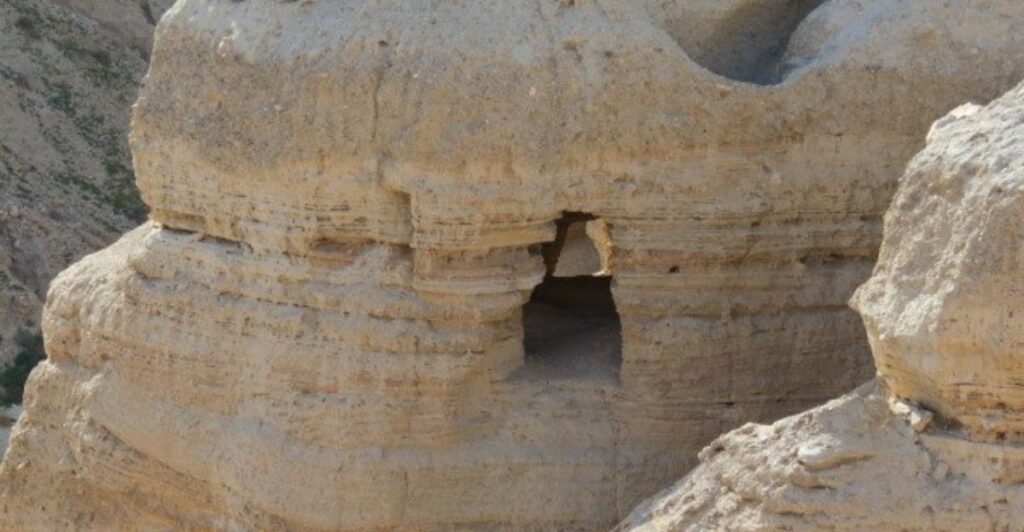
The discovery of the Dead Sea Scrolls began with Bedouin shepherds in late 1946. While searching for a lost goat, shepherd Muhammed Edh-Dhib threw a rock into a cave and heard a crash. Inside, he found clay jars containing ancient scrolls. This accidental discovery led to further excavations that uncovered more scrolls over the next decade. The initial find included seven scrolls, which sparked interest among scholars and collectors alike.
The First Scrolls
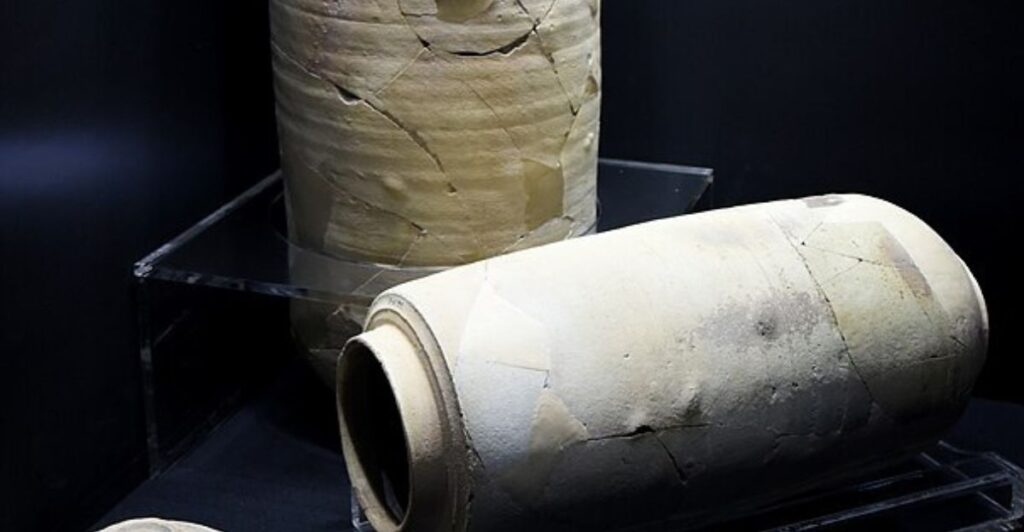
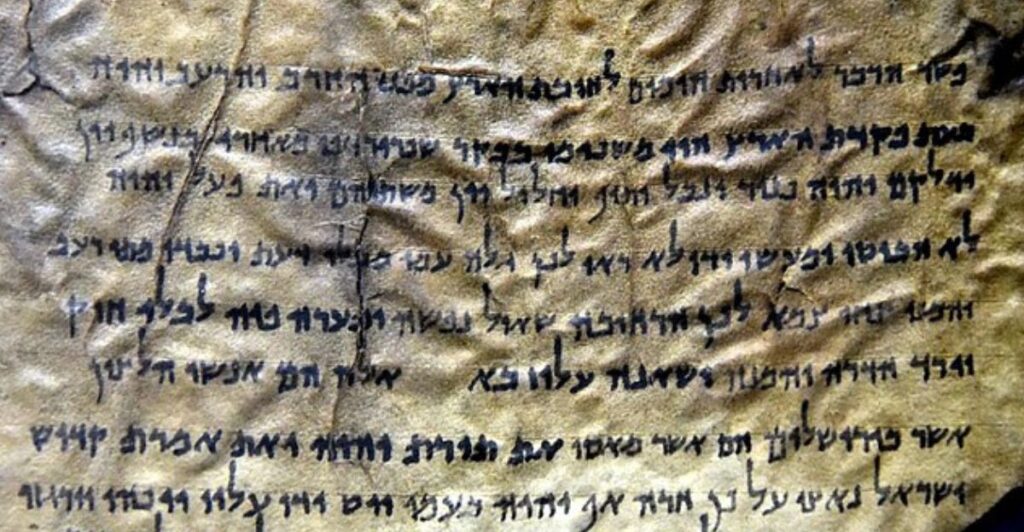
The first seven scrolls discovered included significant texts such as the Great Isaiah Scroll and the Habakkuk Commentary. These manuscripts were written in Hebrew, Aramaic, and Greek, showcasing the diverse linguistic landscape of the time. The scrolls were initially sold to antiquities dealers before attracting scholarly attention. Their importance was recognized when comparisons were made with earlier biblical texts, indicating their historical value.
Archaeological Excavations
Following the initial discovery, archaeological teams began systematic excavations at Qumran. Between 1949 and 1956, researchers uncovered thousands of fragments from eleven caves surrounding the site. These excavations revealed not only scrolls but also artifacts that helped date and contextualize the manuscripts. The careful work of archaeologists ensured that many fragments could be pieced together to reconstruct larger texts.
Significance of the Scrolls
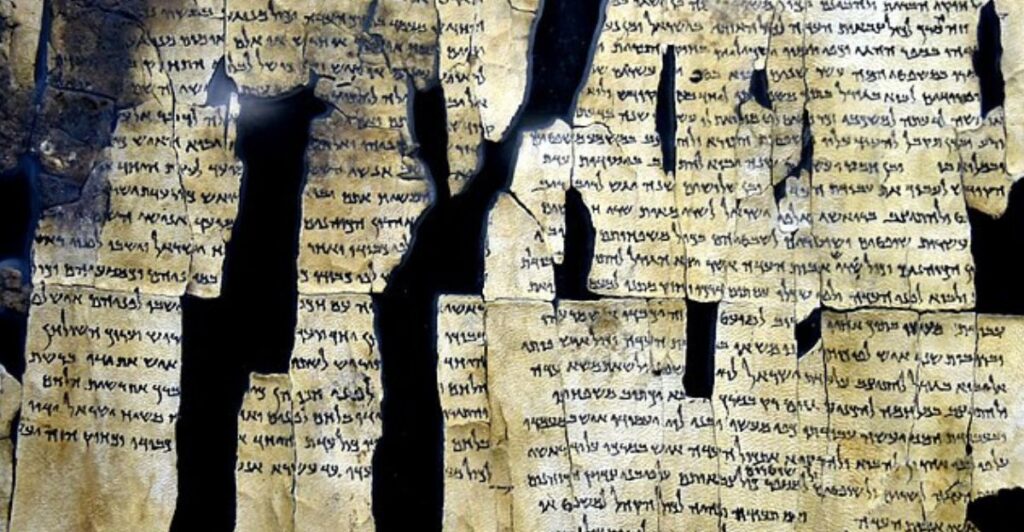
The Dead Sea Scrolls are crucial for understanding Jewish history and early Christianity. They contain some of the oldest known copies of biblical texts, including portions of every book of the Hebrew Bible except Esther. The scrolls also include non-biblical writings that illustrate diverse beliefs within Judaism at that time. This diversity provides context for understanding how early religious traditions evolved.
Preservation Conditions
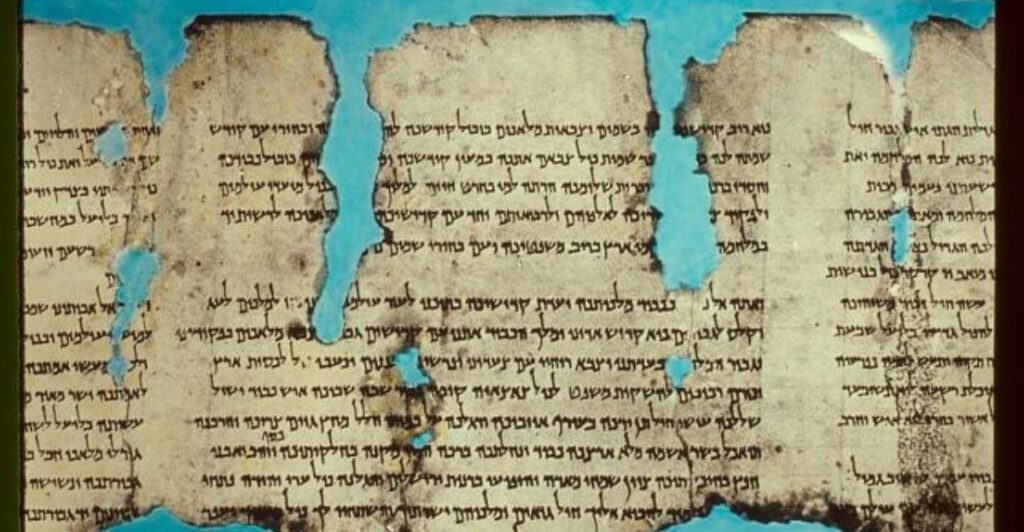
The arid climate of the Judean Desert played a vital role in preserving these ancient texts. Unlike other regions where organic materials quickly decompose, the dry conditions allowed scrolls made from parchment and papyrus to survive for over two millennia. Scholars have been able to study these texts extensively due to their remarkable preservation, which is rare for ancient manuscripts.
Contents of the Scrolls
The Dead Sea Scrolls contain a variety of writings, including biblical texts, commentaries, prayers, and community rules. Approximately 25% of these scrolls are biblical manuscripts that would later be included in the Hebrew Bible canon. Other writings reflect sectarian beliefs and practices of a Jewish community likely associated with Qumran, providing insights into their way of life and religious observances.
Impact on Biblical Studies
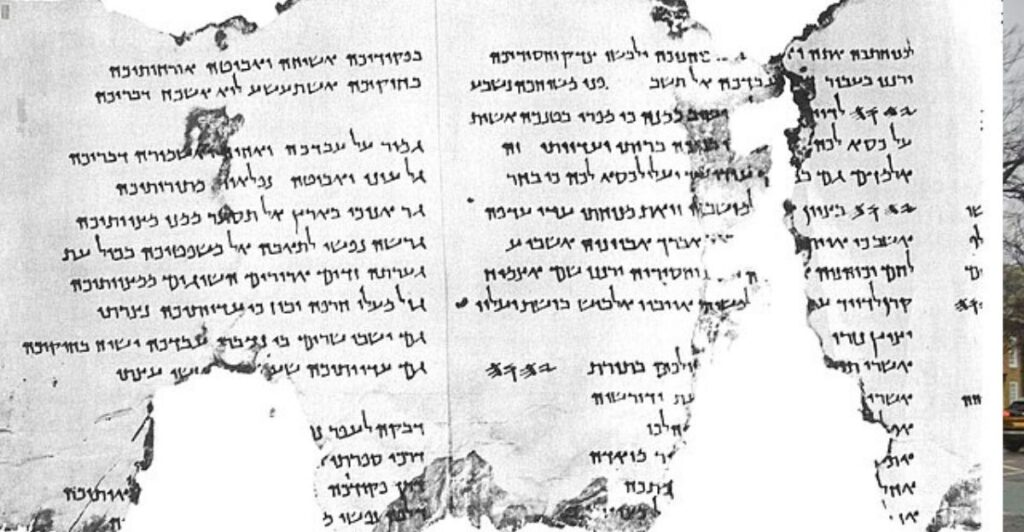
The discovery of the Dead Sea Scrolls has significantly impacted biblical studies by providing earlier textual evidence for many Old Testament books. Scholars have used these texts to compare variations in scripture and understand how biblical texts were transmitted over time. This research has led to new insights into the history and development of religious texts within Judaism and Christianity.
Modern Research Techniques

Modern technology has enhanced research on the Dead Sea Scrolls through advanced imaging techniques like multispectral imaging. This technology allows scholars to read faded or damaged text that would otherwise be illegible. Ongoing research reveals new information about these ancient manuscripts and their historical context, demonstrating their lasting significance.
Ongoing Discoveries
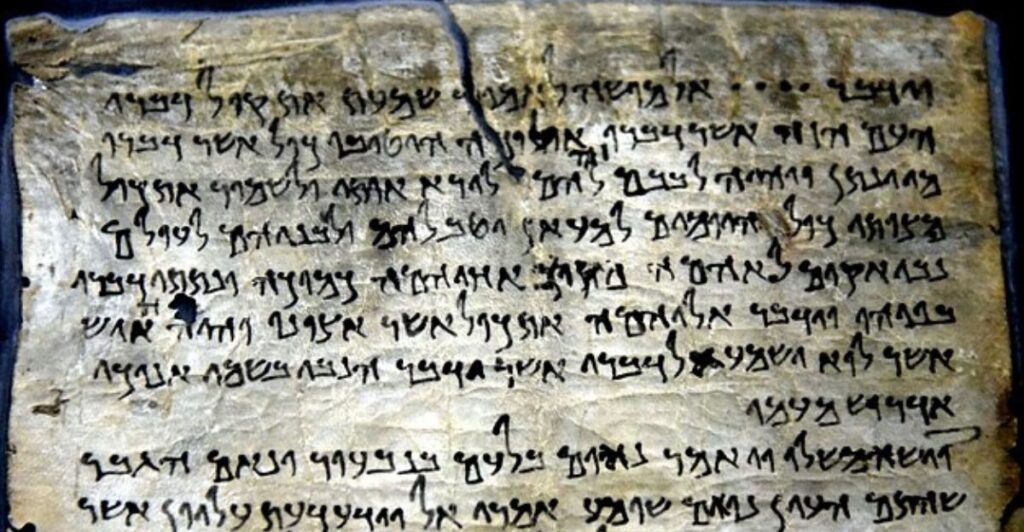
Even decades after their initial discovery, new fragments emerge from archaeological sites around Qumran. Researchers have recently identified additional materials that contribute to our understanding of Second Temple Judaism and early Christianity. These discoveries highlight the importance of continued archaeological exploration in this historically rich region.
Cultural Influence
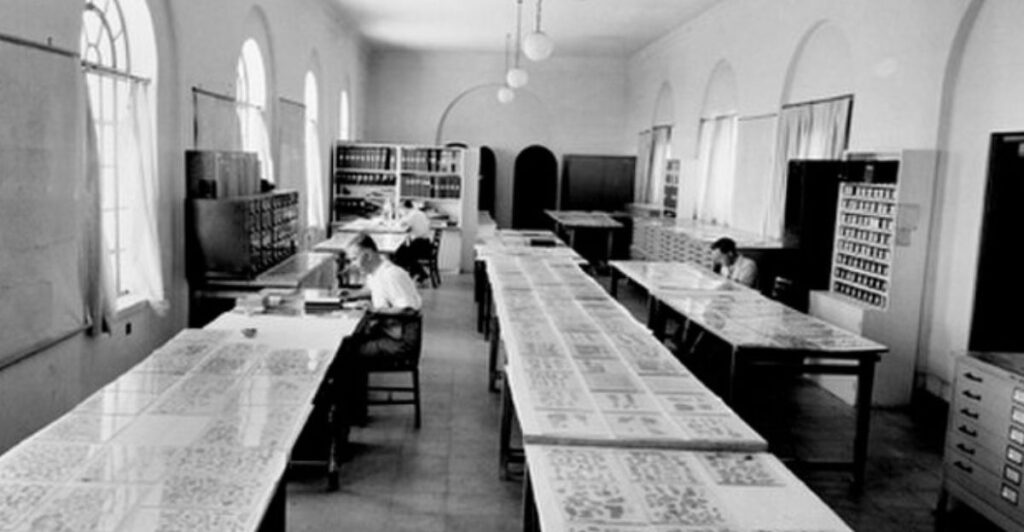
The Dead Sea Scrolls have influenced religious scholarship and popular culture. They have inspired books, documentaries, and films that explore their mysteries and significance. The fascination with these ancient texts continues to engage audiences worldwide, highlighting their enduring impact on academic study and public interest in history.
Significance
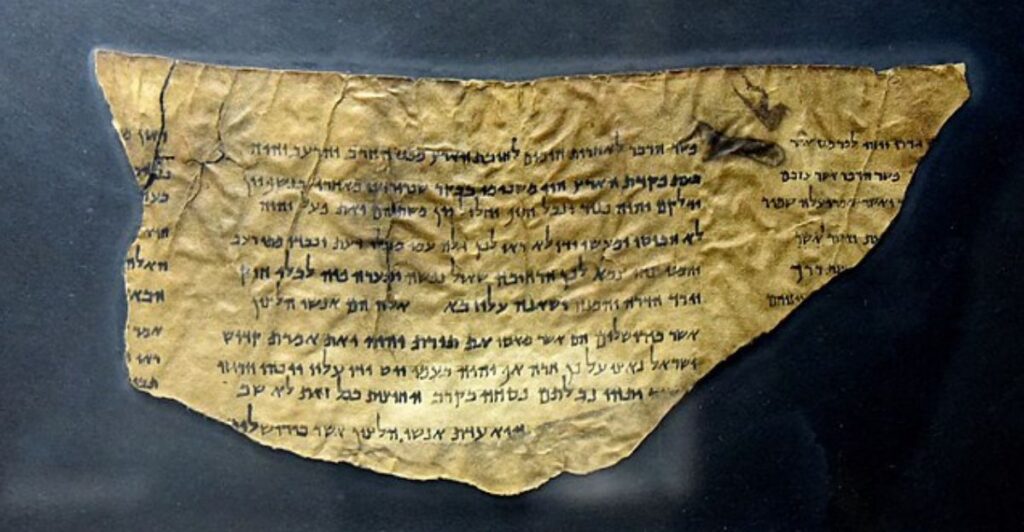
The Dead Sea Scrolls give us a remarkable window into ancient history and religion. Their discovery has reshaped our understanding of Jewish culture during a pivotal historical period. As scholars continue to study these texts, they uncover new layers of meaning that deepen our appreciation for this extraordinary archaeological find.
Future Research Directions
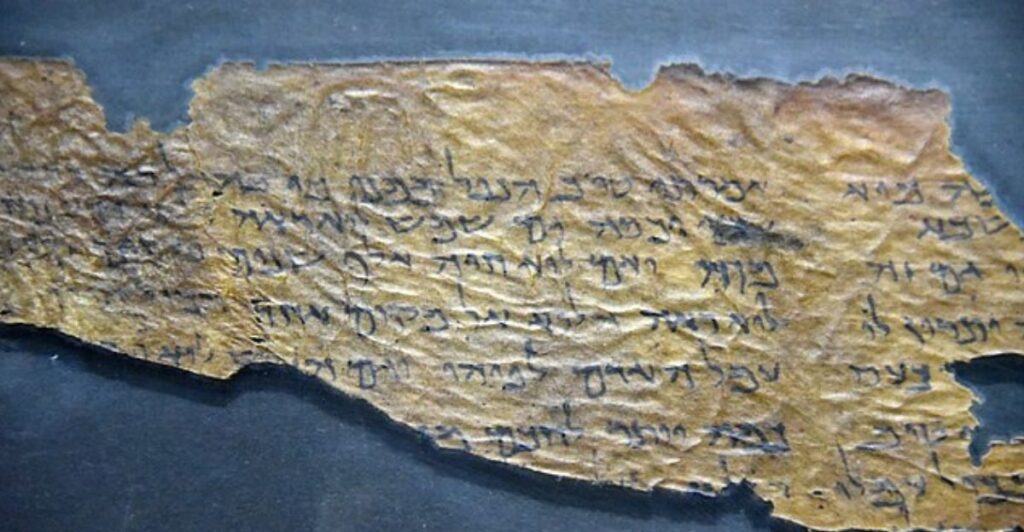
Future research on the Dead Sea Scrolls will likely focus on further textual analysis and historical context exploration. As technology advances, new methods may reveal even more about these ancient writings and their authorship. The ongoing quest to unlock the secrets of the Dead Sea Scrolls promises to enrich our understanding of religious traditions and historical narratives for years to come.
2026 Update: AI and Radiocarbon Push Some Scrolls Further Back in Time
For decades, most Dead Sea Scrolls have been dated mainly by palaeography, which means experts compare the shapes of the handwriting with a sequence of developing script styles. The method is skilled but partly subjective, and only a limited number of scrolls had ever been radiocarbon tested. In June 2025 a team led by Mladen Popović of the University of Groningen published a new approach in the journal PLOS One that combines both methods.
The researchers cleaned 30 manuscript samples to remove castor oil that had been applied in the 1950s to make the text easier to read and that had skewed earlier carbon tests. They then obtained radiocarbon dates for 27 of them. They then used those dates to train an artificial intelligence model, nicknamed Enoch, to recognize how fine details of the handwriting changed over time. Enoch was then asked to estimate the ages of other scrolls that had not been carbon dated.
When palaeography experts reviewed Enoch’s estimates for 135 manuscripts, they judged about 79 percent to be realistic. Many of the new dates were older than traditional handwriting analysis had suggested. That points to two script styles, known as “Hasmonean” and “Herodian,” overlapping in time rather than one simply replacing the other. The team also reported that two biblical fragments, a copy of Daniel (4Q114) and one of Ecclesiastes, may date to roughly the lifetimes of their presumed authors, a claim other scholars are likely to debate.
The researchers stress that Enoch is a tool to support human experts, not a replacement. Its accuracy depends on the radiocarbon dates used to train it, and its findings still need independent testing. If the earlier dates hold up, scholars may need to revise parts of the timeline for when certain Jewish texts were composed and copied in the centuries before the Common Era.
Sources
- EurekAlert! (PLOS): Dating ancient manuscripts using radiocarbon and AI-based writing style analysis
- Archaeology Magazine: AI reveals Dead Sea Scrolls may be older than previously thought